


Memilih yang tepat core drilling rig (rock core drill) is one of the most important decisions in any mineral exploration or geotechnical project. The right equipment can significantly improve drilling efficiency, reduce operational costs, and increase core recovery quality. The wrong choice, however, may lead to poor sample quality, frequent breakdowns, and project delays.
This guide will help you understand how to select the most suitable core drilling rig based on real working conditions rather than just specifications.
1. Start With Your Project Requirements (Not the Machine)
Before looking at machine models, you must clearly define your project conditions:
- Required drilling depth
- Rock hardness and geology type
- Terrain conditions (flat, mountain, desert, mine site)
- Project duration (short-term exploration or long-term mining)
- Budget range
Many buyers make the mistake of choosing a rig based only on price or advertised depth. In reality, geological conditions matter more than specifications on paper.
2. Understand Drilling Depth vs Real Working Depth
Manufacturers often list maximum drilling depth, such as:
- 300m
- 600m
- 1000m
- 2000m
However, real working depth is affected by:
- Rock hardness
- Drill rod configuration
- Mud system efficiency
- Operator skill
👉 A 1000m rig in hard granite may perform like a 700m system in real conditions.
Conclusion: Always choose a rig with at least 20–30% depth margin.
3. Choose the Right Type of Core Drilling Rig
Different environments require different machines:
3.1 Portable Core Drilling Rig
Best for:
- Early-stage exploration
- Mountain or remote areas
- Small-scale sampling
Pros:
- Easy transport
- Low cost
- Fast setup
Limitations:
- Limited depth
- Lower stability in deep drilling
3.2 Truck-Mounted Core Drilling Rig
Best for:
- Medium-depth drilling projects
- Road-accessible exploration sites
Pros:
- High mobility
- Faster relocation between sites
- Efficient for multiple boreholes
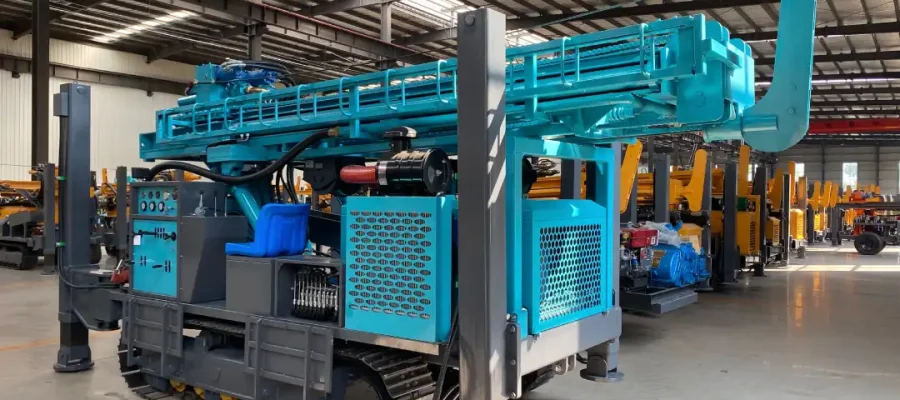
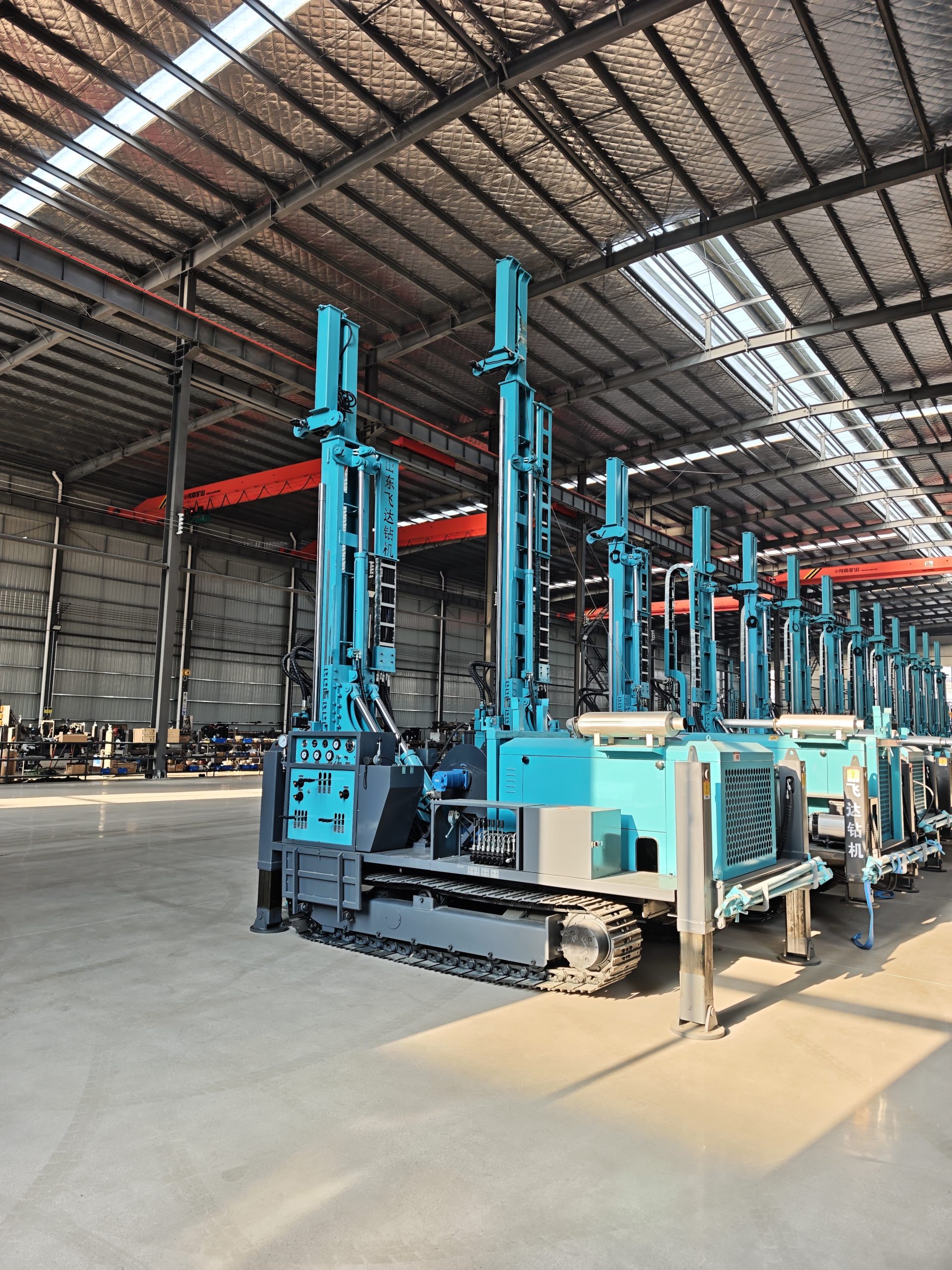
3.3 Crawler Core Drilling Rig
Best for:
- Mining areas
- Rough terrain
- Forest, desert, and uneven ground
Pros:
- Strong stability
- Excellent off-road performance
- Suitable for long continuous drilling
👉 This is the most widely used type in mining projects.
3.4 Deep Hole Core Drilling Rig
Best for:
- Deep mineral exploration
- Scientific drilling
- Strategic resource evaluation
Pros:
- High torque hydraulic system
- Strong drilling capacity (1000–2000m+)
- Advanced wireline core system
4. Key Technical Parameters You Must Check
4.1 Torque Output
Torque determines the rig’s ability to drill through hard rock.
- Low torque → shallow, soft formations
- High torque → granite, basalt, deep drilling
👉 In mining projects, torque is more important than speed.
4.2 Mast Strength and Stability
The mast supports the entire drilling load.
Check:
- Vertical rigidity
- Load capacity
- Anti-vibration design
A weak mast leads to:
- Hole deviation
- Reduced core quality
- Safety risks
4.3 Hydraulic System Quality
A stable hydraulic system ensures:
- Smooth drilling pressure
- Consistent rotation speed
- Better core recovery
Poor hydraulic systems cause unstable drilling and frequent downtime.
4.4 Core Recovery Rate
This is one of the most important indicators in exploration.
High-quality rigs should achieve:
- High core integrity
- Low fragmentation
- Stable sample recovery in fractured zones
4.5 Mud Pump & Circulation System
A good mud system ensures:
- Borehole stability
- Bit cooling
- Cuttings removal
- Prevention of collapse
Without proper circulation, even a high-end rig will perform poorly.
5. Match the Rig to Your Geological Conditions
Different geology requires different drilling strategies:
Hard Rock (Granite, Basalt)
- High torque rig
- Diamond bits
- Low rotation speed
Fractured Formation
- Strong mud control system
- Short drilling intervals
- Stabilized pressure system
Water-Rich Formation
- Anti-collapse drilling fluid
- Sealed circulation system
- Careful pressure control
6. Common Mistakes Buyers Make
Many first-time buyers face similar problems:
❌ Choosing only based on lowest price
❌ Ignoring geological conditions
❌ Overestimating drilling depth capability
❌ Not considering spare parts availability
❌ Ignoring after-sales support
👉 These mistakes often lead to higher long-term costs.
7. How to Evaluate a Reliable Manufacturer
A good core drilling rig supplier should provide:
- Proven mining project experience
- Stable hydraulic and mechanical design
- Spare parts availability
- Technical guidance for operators
- Customization for different drilling conditions
In international mining projects, after-sales support is as important as machine quality.
8. Final Selection Checklist
Before purchasing a core drilling rig, confirm:
✔ Required depth range (with safety margin)
✔ Terrain adaptability
✔ Rock formation type
✔ Torque and hydraulic stability
✔ Core recovery performance
✔ Maintenance and service support
If all these factors are properly matched, your drilling efficiency will improve significantly.
Kesimpulan
Choosing the right core drilling rig is not just a purchasing decision—it is a long-term engineering investment. A well-matched rig can increase core recovery rate, reduce downtime, and improve the overall success rate of mining exploration projects.
If you are planning a mining or geological exploration project, always prioritize working conditions, system stability, and manufacturer reliability over simple price comparison.
Posting Terkait

 ID
ID  EN
EN  ES
ES  FR
FR
Kirim Komentar