


Water scarcity, unstable water pressure, and dependence on external supply are common problems in many regions. A water well drilling rig offers a reliable solution by enabling independent groundwater access. However, choosing the right machine is not easy—many buyers struggle with unclear specifications, mismatched configurations, and unexpected costs. This guide will help you understand how to select, use, and maintain a drilling rig while avoiding costly mistakes.
Why You Need a Water Well Drilling Rig
In remote areas, farms, construction sites, and developing regions, water access directly impacts productivity and daily life. A drilling rig allows you to:
- Secure your own water source
- Reduce long-term water costs
- Improve agricultural irrigation efficiency
- Support construction and mining operations
Many buyers hesitate due to high upfront costs—but in reality, the return on investment is often faster than expected.
Common Pain Points Buyers Face
Before purchasing, most customers encounter similar challenges:
1. Choosing the Wrong Depth Capacity
Some rigs cannot meet actual drilling depth requirements, especially in areas with deep aquifers.
2. Poor Geological Adaptability
Different soil and rock conditions require different drilling methods and bits.
3. High Maintenance Costs
Low-quality machines often lead to frequent breakdowns and expensive repairs.
4. Complicated Operation
Lack of training or overly complex systems can reduce efficiency and increase labor costs.
Types of Water Well Drilling Rigs
Understanding machine types helps you match equipment to your project:
Small Portable Rigs
- Ideal for household wells or shallow drilling (≤150m)
- Easy transport and operation
- Lower investment cost
Medium Hydraulic Rigs
- Suitable for farms and small contractors (150–300m)
- Balanced performance and cost
- Widely used in developing markets
Large Deep Drilling Rigs
- Designed for industrial and deep wells (300m+)
- Strong power and high efficiency
- Suitable for complex geological conditions
Key Factors When Choosing a Rig
1. Drilling Depth
Always choose a machine with slightly higher capacity than your expected depth.
2. Geological Conditions
- Soft soil → Rotary drilling
- Hard rock → DTH (Down-the-hole) drilling
3. Power Source
- Diesel engine: More common and suitable for remote areas
- Electric: Lower cost but requires stable power supply
4. Mobility
Crawler-mounted rigs are better for rough terrain, while truck-mounted rigs offer faster relocation.
Essential Components You Should Know
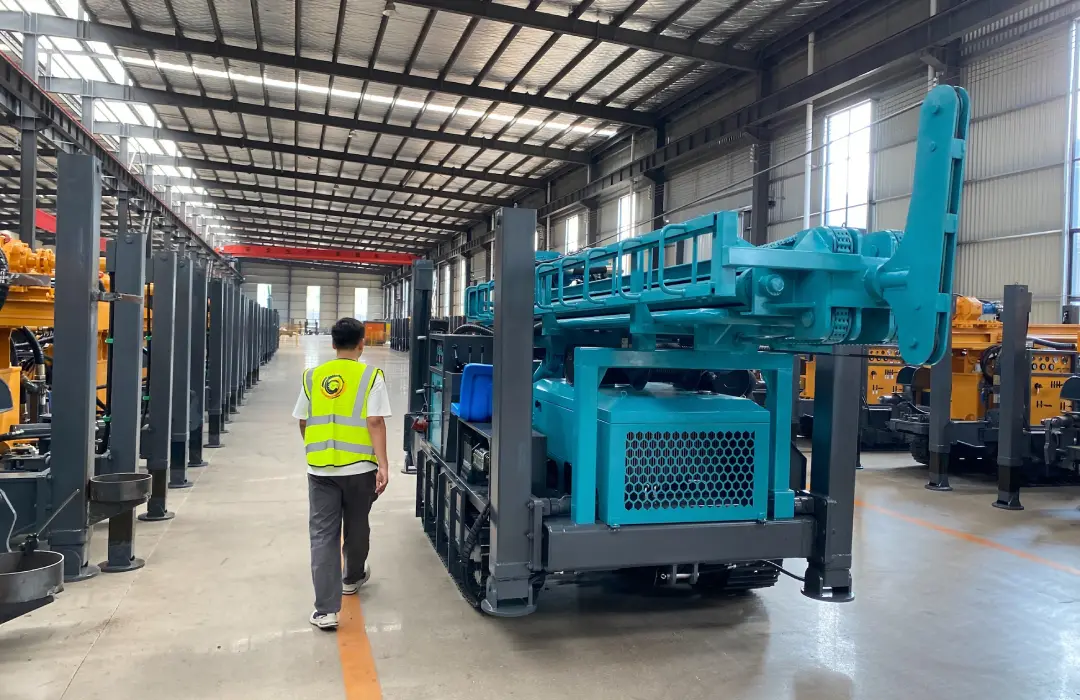
A high-quality water well drilling rig typically includes:
- Hydraulic system (for stable operation)
- Drill rods and drill bits (core working tools)
- Air compressor (critical for rock drilling)
- Control panel (user-friendly operation is key)
Choosing reliable components reduces downtime and ensures long-term performance.
How to Reduce Operating Costs
Many users worry about long-term expenses. Here’s how to optimize costs:
- Perform regular maintenance (oil, filters, lubrication)
- Use the correct drill bit for each formation
- Train operators to avoid misuse
- Choose machines with simple structure and easy repair
A well-maintained water well drilling rig can operate efficiently for many years.
Final Thoughts
Investing in the right water well drilling rig is not just about buying equipment—it’s about solving water problems efficiently and sustainably. By understanding your project requirements, avoiding common mistakes, and focusing on long-term value, you can turn this investment into a profitable and reliable solution.
If you are targeting international markets, especially in regions like Africa or South America, choosing a durable and easy-to-maintain water well drilling rig will give you a strong competitive advantage.
Related Posts

 EN
EN  ES
ES  ID
ID  FR
FR
Post a Comment