


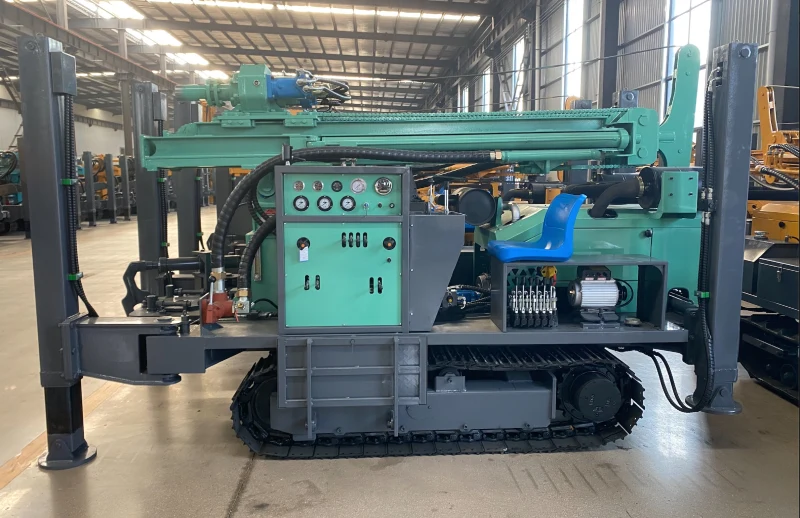
If you are searching for a reliable mini water well drilling rig, chances are you are facing real challenges—limited space, tight budgets, or the need for flexible drilling in remote areas. This guide is designed to help you understand how to choose the right machine, avoid costly mistakes, and get the most out of your investment in a mini water well drilling rig.
Why Choose a Mini Water Well Drilling Rig?
A mini water well drilling rig is specifically designed for efficiency and mobility. Compared to large-scale drilling equipment, it offers:
- Easy transportation to remote or narrow job sites
- Lower fuel consumption and operating costs
- Simpler operation, reducing labor requirements
- Faster setup time for small to medium drilling projects
These advantages make it ideal for agricultural irrigation, residential water wells, and small-scale commercial drilling.
Common Pain Points Buyers Face
Before purchasing, many buyers struggle with the following issues:
1. Unclear Drilling Depth Requirements
Some customers overpay for oversized rigs, while others buy underpowered machines that cannot reach required depths.
Solution:
Define your target depth clearly (e.g., 100m, 200m, 300m). Match it with rig specifications such as torque, pull-up force, and air compressor capacity.
2. Complex Geological Conditions
Different soil types—sand, clay, rock—require different drilling methods.
Solution:
Choose a rig that supports both mud drilling and air drilling. This flexibility allows you to handle mixed geological layers efficiently.
3. High Maintenance Costs
Poor-quality hydraulic systems or engines can lead to frequent breakdowns.
Solution:
Look for rigs equipped with reliable components such as:
- Hydraulic systems from trusted brands
- Durable drill pipes and drill bits
- Easy-access maintenance design
Key Features to Look For
When evaluating a mini water well drilling rig, focus on these critical factors:
Mobility and Structure
- Crawler-mounted rigs provide better stability on rough terrain
- Compact design allows operation in confined spaces
Power System
- Diesel engines are more suitable for remote areas
- Ensure sufficient horsepower for your drilling depth
Drilling Method Compatibility
A high-quality rig should support:
- Rotary drilling
- DTH (Down-the-hole) hammer drilling
- Mud pump systems
Additional Value Features
- Remote control operation
- Automatic rod handling
- Free accessories (e.g., welding machine, spare parts)
How to Maximize Efficiency on Site
Owning a mini water well drilling rig is only part of the equation. Proper usage significantly impacts productivity.
Optimize Drill Bit Selection
Use different drill bits depending on soil conditions:
- Alloy bits for soft soil
- Diamond bits for hard rock
Regular Maintenance Routine
- Check hydraulic oil daily
- Inspect drill rods for wear
- Clean air filters frequently
Train Operators
Even compact rigs require skilled handling. Proper training reduces errors and extends machine lifespan.
Cost vs. Value: What Really Matters?
Many buyers focus only on price, but the real value comes from:
- Durability and lifespan
- Efisiensi bahan bakar
- After-sales support
- Spare parts availability
A slightly higher upfront investment in a quality mini water well drilling rig can save thousands in maintenance and downtime.
Pikiran Akhir
Memilih yang tepat mini water well drilling rig is not just about specifications—it’s about matching the machine to your real working conditions. By focusing on your drilling needs, geological challenges, and long-term operating costs, you can make a smarter investment and ensure consistent project success.
If you are planning to expand your drilling business or enter a new market, a well-selected mini rig could be the most cost-effective and flexible solution available today.
Posting Terkait

 ID
ID  EN
EN  ES
ES  FR
FR
Kirim Komentar