


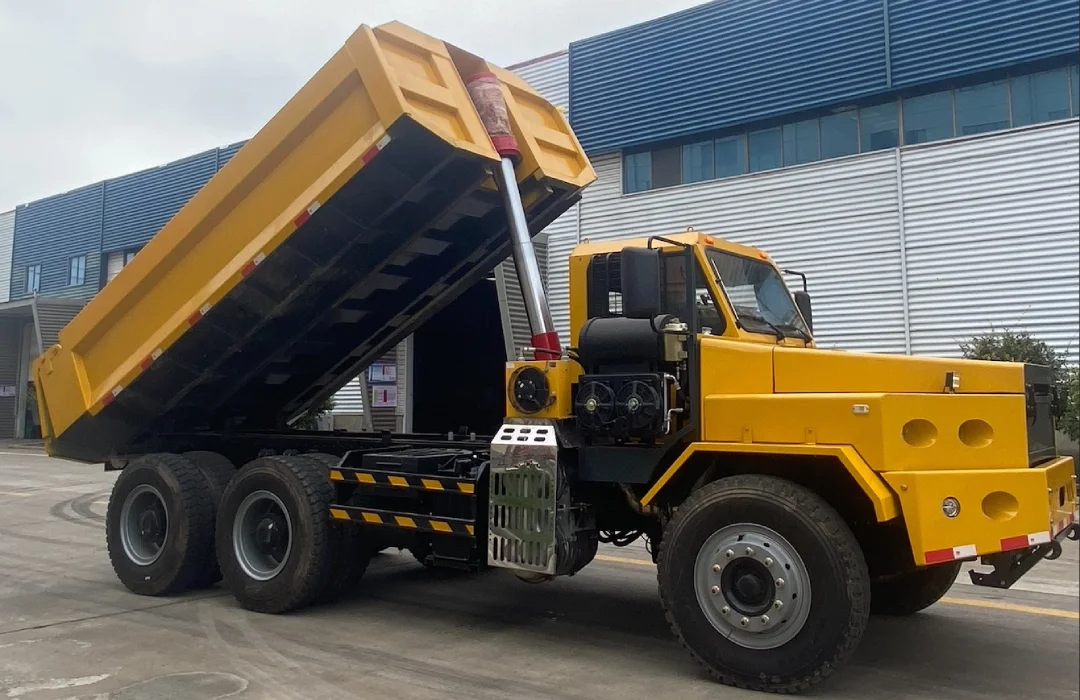
Mining operations rely heavily on efficient material transport, and a tipper truck plays a crucial role in moving overburden, ore, and waste material across challenging terrains. Choosing the right model can directly impact productivity, fuel consumption, and overall operating costs. This guide explains how to select, operate, and maintain mining dump vehicles effectively while addressing common pain points faced by operators and fleet managers.
Mining sites often deal with steep slopes, muddy roads, and heavy loads. If the wrong vehicle is used, it leads to frequent breakdowns, higher maintenance costs, and safety risks. That is why understanding capacity, engine performance, and structural durability is essential before investment.
Understanding Mining Transport Equipment Types
In mining projects, several types of hauling equipment are commonly used:
- Mining dump truck (rigid frame for large-scale open-pit mines)
- Articulated dump truck (better mobility in rough terrain)
- Off-road dump truck (designed for unstable working environments)
- Underground haul truck (for confined mining tunnels)
Each type serves a different operational condition. Among them, rigid and articulated models are the most widely used in surface mining due to their balance between payload capacity and durability.
Key Factors When Selecting a Mining Vehicle
Selecting the right equipment is not only about size. Operators must evaluate multiple performance factors:
- Payload capacity and cycle efficiency
- Engine torque and fuel efficiency
- Suspension strength for uneven terrain
- Tire durability and load resistance
- Braking system reliability on slopes
A well-matched machine reduces downtime and improves overall site productivity. For large-scale operations, fuel efficiency becomes a major cost driver over the machine’s lifecycle.
Operational Efficiency and Cost Control
One of the biggest concerns for mine operators is long-term operating cost. Fuel consumption, tire wear, and maintenance frequency all contribute to total ownership expenses.
Proper loading practices and route planning can significantly reduce unnecessary strain on equipment. Overloading is a common issue that leads to faster component wear and safety hazards. Training operators is just as important as choosing the right machine.
Maintenance Strategy for Long-Term Performance
Regular maintenance ensures stable performance and reduces unexpected breakdowns. Key areas to monitor include:
- Hydraulic system pressure stability
- Brake system responsiveness
- Engine oil and filter replacement cycles
- Frame crack inspection under heavy loads
- Tire pressure and alignment checks
Neglecting these points can lead to costly downtime and reduced machine lifespan. Preventive maintenance is always more cost-effective than emergency repairs.
Common Problems in Mining Operations
Mining environments are extremely harsh, and equipment failure is often caused by predictable factors:
- Overloading beyond rated capacity
- Poor road conditions inside mining sites
- Insufficient cooling in high-temperature environments
- Delayed maintenance schedules
- Operator fatigue and incorrect driving habits
Addressing these issues early helps reduce breakdown frequency and improves safety across the site.
Improving Productivity with the Right Equipment Choice
Many mining companies underestimate how much equipment selection affects production efficiency. A properly matched haul fleet can reduce cycle time and increase daily output significantly.
In medium to large operations, upgrading to a modern tipper truck design with improved transmission systems and reinforced chassis can deliver noticeable performance gains, especially in high-demand production environments.
Safety Considerations in Mining Transport
Safety should always be a top priority. Mining vehicles operate under extreme load conditions, often on steep gradients. Key safety practices include:
- Using advanced braking assist systems
- Installing rollover protection structures
- Monitoring load distribution
- Ensuring regular operator training
- Conducting daily inspection checklists
A strong safety culture reduces accident risk and improves operational stability.
Réflexions finales
Mining transport systems are the backbone of any extraction project. Choosing the right equipment, maintaining it properly, and training operators effectively can dramatically improve productivity while lowering long-term costs. Whether working in open-pit mines or rugged quarry environments, selecting a reliable hauling solution is a key investment decision for sustainable operations.
Articles connexes

 FR
FR  EN
EN  ES
ES  ID
ID
Poster un commentaire