


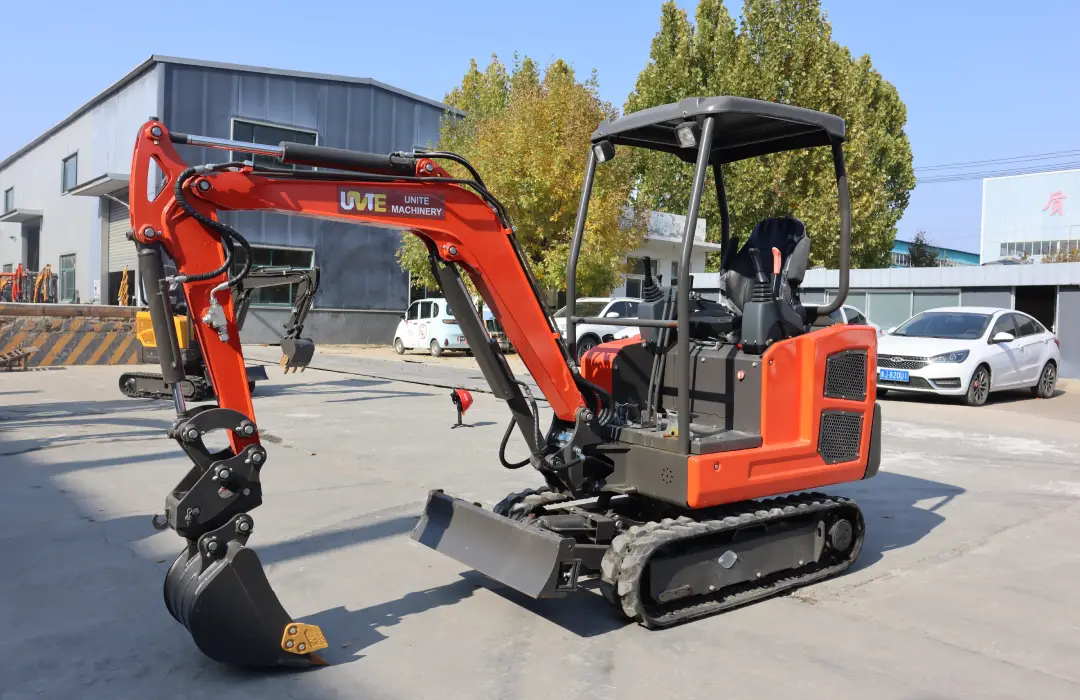
Les mini backhoe digger has become one of the most searched machines among small contractors, farmers, and utility teams—and for good reason. Compact size, lower cost, and flexible attachments make it a go-to solution where space, budget, or transport are limited. But many buyers still struggle with the same questions: Is it powerful enough? Will it handle my soil conditions? Am I overpaying for features I don’t need? This guide is written to answer those questions clearly and practically.
Why Small Contractors Choose Compact Excavation Equipment
For many projects, a full-size excavator is simply overkill. Narrow access roads, residential backyards, farms, and municipal maintenance jobs demand machines that can work efficiently without heavy logistics.
Key pain points this type of equipment solves:
- Limited access and tight working space
- High transport cost of large machines
- Overinvestment for short or small-scale projects
- High fuel and maintenance expenses
A compact digging machine allows operators to enter confined areas, reduce ground damage, and still complete trenching, loading, and light excavation tasks effectively.
What Jobs Is a Mini Backhoe Digger Actually Good At
One common mistake buyers make is expecting one small machine to replace heavy-duty equipment. Understanding realistic applications avoids disappointment.
Typical suitable jobs include:
- Trenching for water pipes and drainage
- Foundation work for small buildings
- Farm irrigation and land leveling
- Cable and utility installation
- Landscaping and light demolition
In soft to medium soil, performance is often more than sufficient. In rocky or hard soil, choosing the right bucket teeth and hydraulic configuration becomes critical.
Power, Depth, and Hydraulics: How to Read the Specs
Many customers focus only on engine horsepower, but that alone doesn’t tell the full story.
Important parameters to evaluate:
- Digging depth and reach
- Hydraulic flow and pressure
- Bucket breakout force
- Machine weight and stability
For example, higher hydraulic flow improves cycle time and attachment performance, while sufficient operating weight improves digging stability. Matching these specs to your real job conditions is more important than chasing the biggest numbers.
Common Buying Mistakes (and How to Avoid Them)
Based on real buyer feedback, these are the most frequent errors:
- Buying purely based on price without checking after-sales support
- Ignoring spare parts availability
- Choosing an oversized machine for narrow sites
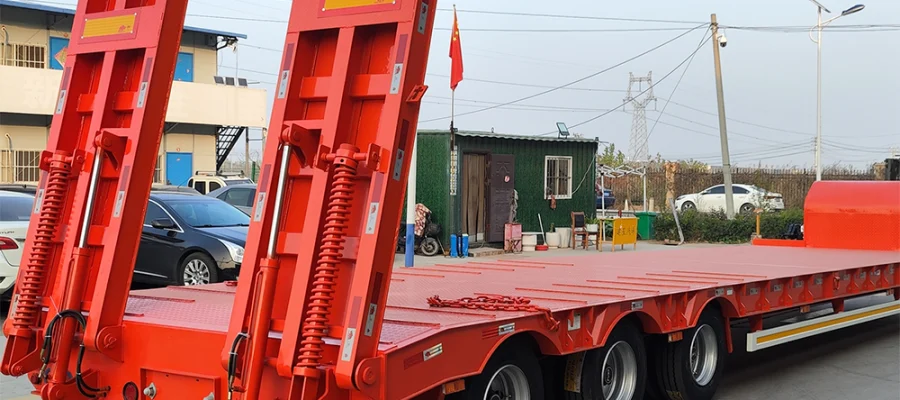
- Not considering transport and loading requirements
A smart purchase balances cost, usability, and long-term serviceability. Always ask about warranty, spare parts lead time, and technical support before placing an order.
Attachment Flexibility and Multi-Use Value
One major advantage of compact excavation machines is attachment versatility. With the right setup, one unit can handle multiple tasks.
Common attachments include:
- Godets de tranchée
- Hydraulic breakers
- Augers
- Grabs
This flexibility significantly increases return on investment, especially for contractors handling varied small projects.
Operating Cost and Maintenance Reality
Lower purchase price does not always mean lower lifetime cost. Buyers should consider:
- Fuel consumption per hour
- Ease of daily maintenance
- Hydraulic hose and seal quality
- Engine brand and parts availability
A well-designed compact digger can operate for years with minimal downtime if maintained properly.
Is a Mini Backhoe Digger Right for You
This type of machine is ideal if:
- You work in confined or residential areas
- Your projects are frequent but small to medium scale
- You need easy transport and fast setup
- Budget control is a priority
If your work involves deep excavation, continuous rock drilling, or heavy mining, a larger excavator or specialized drilling rig will be a better fit.
Final Thoughts for Buyers
Choosing the right equipment is not about buying the biggest machine—it’s about buying the right one. When selected based on real job requirements, a mini backhoe digger becomes a reliable, profitable tool rather than an underused asset.
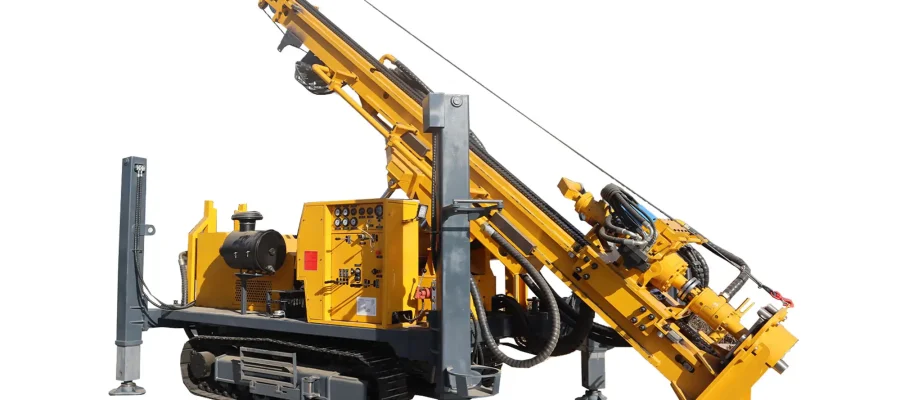
If you are planning projects involving both excavation and water access, combining compact digging equipment with a dedicated water well drilling rig can significantly improve efficiency and project control.
Articles connexes

 FR
FR  EN
EN  ES
ES  ID
ID
Poster un commentaire