


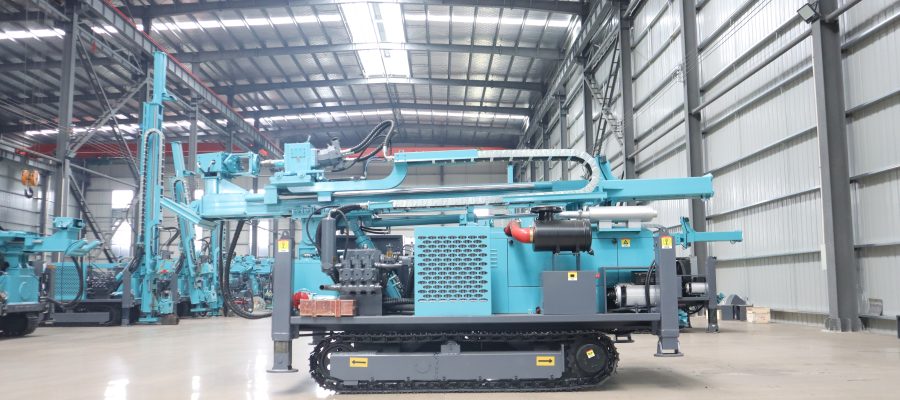
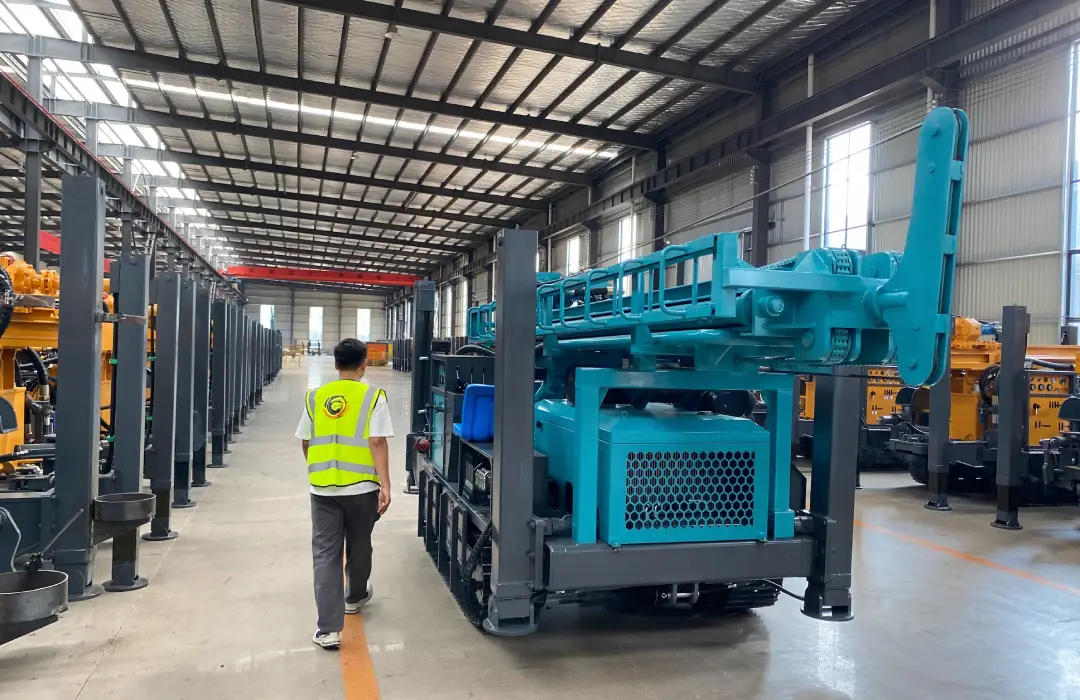
Water well drilling rigs are heavy-duty machines designed to operate in harsh and demanding environments. Whether used in agriculture, construction, or groundwater exploration, proper maintenance is essential to ensure long-term performance, reduce downtime, and lower operating costs.
This guide provides practical maintenance tips to help operators keep their drilling rigs in optimal condition.
1. Daily Inspection Before Operation
Before starting any drilling work, a routine inspection should be performed. This helps identify potential issues early and prevents unexpected breakdowns during operation.
Key points to check include:
- Hydraulic oil level and condition
- Engine oil and coolant levels
- Drill rods and connection joints
- Air compressor and hoses (if equipped)
- Loose bolts or structural wear
- Electrical system and control panel
A 10–15 minute inspection can significantly reduce costly repairs later.
2. Hydraulic System Maintenance
The hydraulic system is the core of a water well drilling rig. Poor hydraulic maintenance is one of the most common causes of machine failure.
Best practices:
- Replace hydraulic oil regularly based on working hours
- Keep hydraulic oil clean and free from contamination
- Check seals and hoses for leakage or cracking
- Avoid mixing different hydraulic oil brands
- Maintain proper operating temperature during drilling
Clean hydraulic systems ensure stable power output and smooth drilling performance.
3. Drill Rod and Tool Care
Drill rods and drilling tools are directly exposed to high pressure and friction.
To extend their lifespan:
- Clean drill rods after each use
- Apply anti-rust oil during storage
- Check thread wear regularly
- Replace damaged joints immediately
- Avoid excessive force during connection/disconnection
Well-maintained drill tools improve drilling accuracy and efficiency.
4. Engine and Power System Maintenance
The engine is the power source of the drilling rig, and its performance directly affects productivity.
Maintenance recommendations:
- Use high-quality fuel and filters
- Replace engine oil and filters on schedule
- Clean air filters frequently in dusty environments
- Avoid long-term overload operation
- Monitor engine temperature during drilling
A properly maintained engine ensures stable power output in all working conditions.
5. Lubrication of Moving Parts
Drilling rigs contain multiple rotating and moving components that require regular lubrication.
Focus areas include:
- Rotary head bearings
- Mast sliding rails
- Chain systems
- Winch components
- Pivot joints and pins
Proper lubrication reduces friction, prevents wear, and extends mechanical life.
6. Electrical System Checks
Modern drilling rigs rely on electrical control systems for safe and efficient operation.
Operators should:
- Inspect wiring for damage or aging
- Ensure all sensors are functioning correctly
- Keep control panels clean and dry
- Avoid exposure to water or mud
- Test emergency stop systems regularly
A stable electrical system improves operational safety.
7. Proper Shutdown and Storage
Correct shutdown procedures are just as important as operation.
After completing drilling work:
- Clean mud and debris from the machine
- Park the rig on stable, level ground
- Release hydraulic pressure
- Cover exposed parts to prevent corrosion
- Perform post-operation inspection
For long-term storage, additional rust protection measures should be applied.
8. Operator Training and Safe Use
Even the best equipment can fail if used incorrectly. Proper training is essential.
Operators should understand:
- Correct drilling methods for different formations
- Load limits of the machine
- Emergency procedures
- Basic troubleshooting techniques
Skilled operators significantly reduce machine wear and improve efficiency.
Conclusión
Regular maintenance is the key to maximizing the lifespan and performance of a water well drilling rig. By following proper inspection routines, maintaining hydraulic and engine systems, and ensuring correct operation practices, users can significantly reduce downtime and improve drilling productivity.
A well-maintained drilling rig not only performs better but also delivers higher return on investment over its service life.
Entradas relacionadas

 ES
ES  EN
EN  ID
ID  FR
FR
Publicar un comentario