


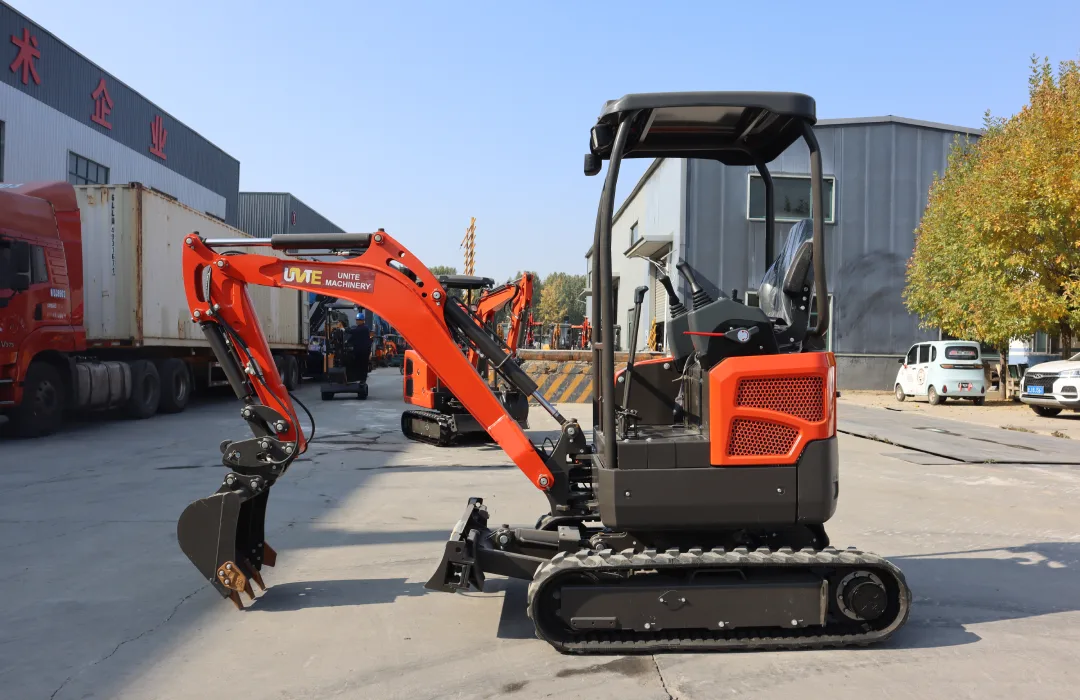
When it comes to construction in tight spaces, a little excavator is often the smartest investment. Whether you’re working on urban projects, landscaping, or small-scale construction, choosing the right machine can save time, reduce costs, and improve efficiency. In this guide, we’ll break down everything you need to know—from key features to common buyer mistakes—so you can make a confident decision.
Why a Little Excavator Is in High Demand
Compact equipment has become essential in modern construction. A little excavator is specifically designed for flexibility and efficiency in restricted environments where larger machines simply can’t operate.
Key advantages include:
- Easy transportation between job sites
- Lower fuel consumption compared to large excavators
- Ability to work in narrow or indoor spaces
- Reduced labor costs with high operational efficiency
Industries such as agriculture, municipal engineering, and residential construction are increasingly relying on compact excavators.
Common Buyer Pain Points (And How to Solve Them)
Before purchasing, many buyers face similar challenges:
1. “I don’t know what size is suitable.”
Choosing the wrong size can lead to inefficiency or wasted investment. A little excavator typically ranges from 0.8 to 3 tons, making it ideal for light to medium-duty tasks like trenching, digging, and material handling.
2. “Maintenance costs are too high.”
Look for machines with simple hydraulic systems and easy access to key components. This reduces downtime and long-term service costs.
3. “The machine lacks durability.”
Focus on structural strength—especially the boom, arm, and chassis. Reinforced steel and high-quality welding ensure longer service life.
4. “Difficult to operate.”
Modern compact excavators often come with user-friendly controls, making them suitable even for less experienced operators.
Key Features to Look For
Al seleccionar un little excavator, pay attention to the following:
Rendimiento del motor
Choose reliable engines (such as diesel engines with strong torque output) to ensure stable performance in tough conditions.
Sistema hidráulico
A high-quality hydraulic system improves precision and efficiency, especially for tasks like trench digging or lifting.
Attachments Compatibility
A versatile machine should support multiple attachments such as:
- Augers
- Hydraulic breakers
- Grapples
- Buckets of different sizes
This increases the machine’s usability across different job sites.
Mobility and Design
Crawler-type excavators provide better stability on rough terrain, while wheeled versions offer faster movement on roads.
Applications of Compact Excavators
A little excavator is widely used in:
- Urban construction projects
- Farm irrigation and trenching
- Landscaping and gardening
- Pipeline installation
- Indoor demolition work
Its adaptability makes it a popular choice for contractors looking to maximize ROI.
How to Choose the Right Model
Here’s a simple decision framework:
Step 1: Define your main job type
Light digging? Landscaping? Drilling? Your application determines the required specs.
Step 2: Consider working environment
Narrow spaces require ultra-compact models with zero tail swing.
Step 3: Evaluate budget vs. performance
Don’t just go for the cheapest option—focus on durability and long-term cost savings.
Step 4: Check after-sales support
Reliable spare parts supply and technical support are crucial for uninterrupted operation.
Reflexiones finales
Invertir en un little excavator is not just about buying equipment—it’s about improving your overall work efficiency and profitability. By understanding your needs, avoiding common mistakes, and focusing on key features, you can choose a machine that delivers long-term value.
If you’re targeting global markets like Mexico or South America, compact excavators are especially attractive due to their versatility and cost-effectiveness—making them easier to promote and sell.
Entradas relacionadas

 ES
ES  EN
EN  ID
ID  FR
FR
Publicar un comentario