


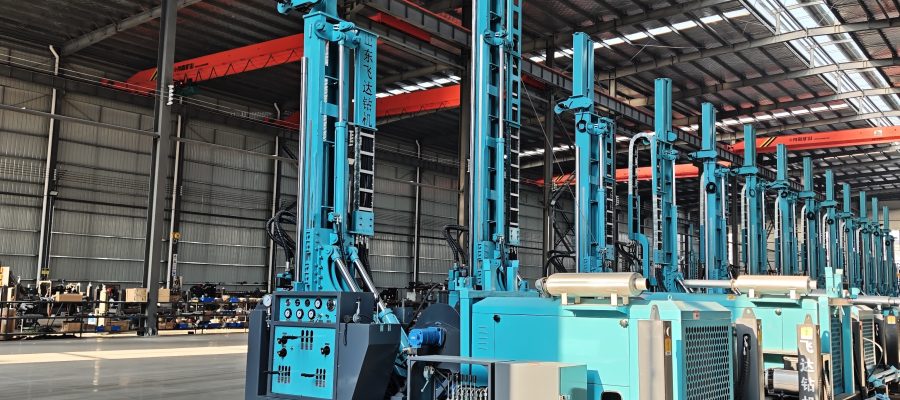
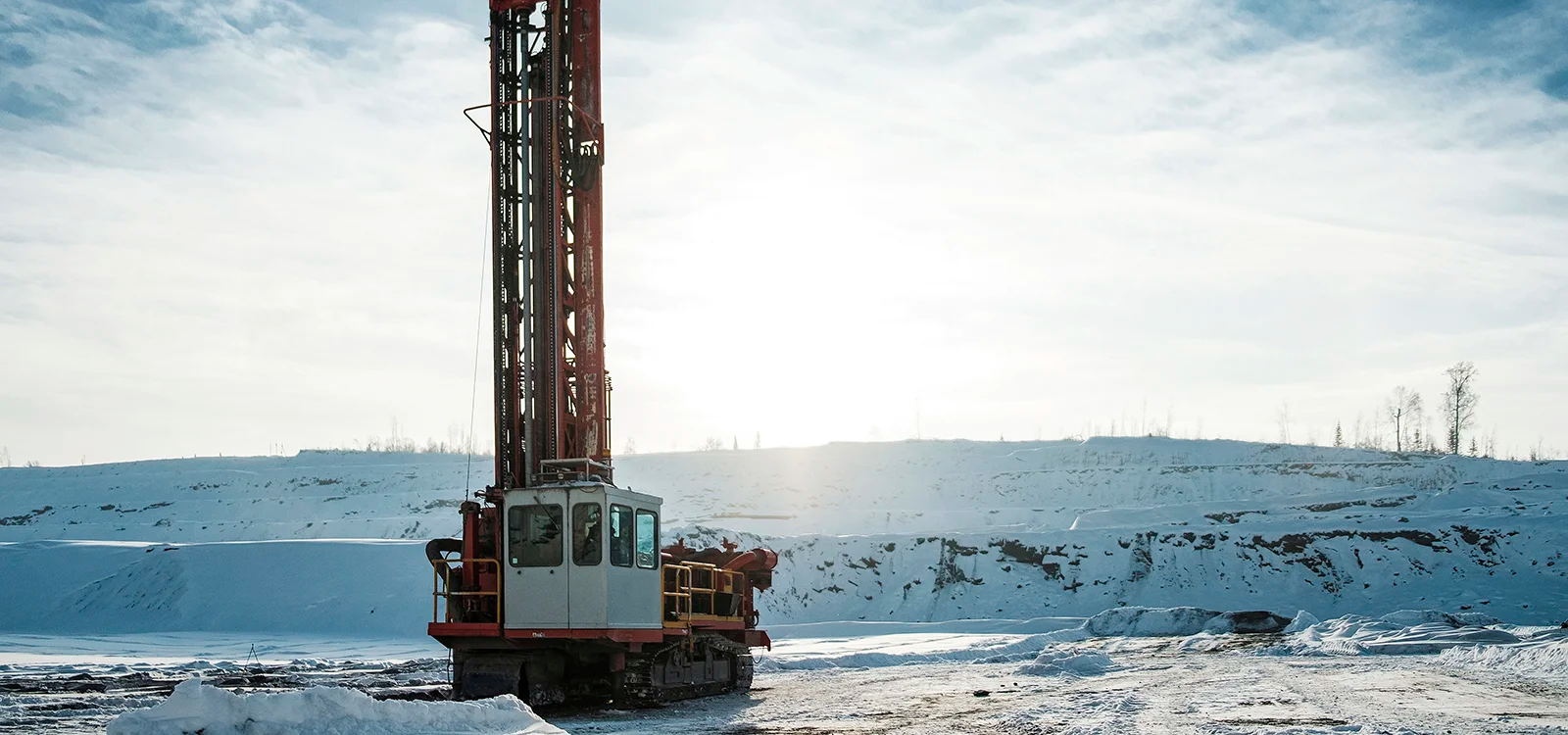
The ability to access water sources deep below the surface of the earth is crucial for agriculture and municipal operations, large-scale farming as well as industrial processes. If your venture calls for drilling down to large levels, like 500 meters (approximately 2460 feet) making the best choice of equipment isn’t just a matter of choice – it’s crucial to success as well as safety and efficiency. The 750m drilling equipment is a significant investment and knowing the main elements to take into consideration when selecting the right one is essential.
This article will guide you through the most important aspects to take into consideration when selecting the equipo de perforación which meets the requirements of the deep well you are planning to construct. A leading producer of sturdy construction and mining equipment, Unite Machinery understands the challenges that arise from challenging drilling activities.
Why Target a 750m Drilling Depth?
Exploring to 750 meters is a way of locating deep aquifers. This is often required in areas of extreme drought, where shallow sources of water are contaminated and areas where an enormous volumes of water are required. The depths of these aquifers pose special challenges, such as hard rock formations, as well as higher pressure. Thus, rigs that are designed to work at deep drilling require specific features regarding strength, endurance, and drilling equipment. The types of projects that require this capability typically comprise:
- Water supply to cities and towns.
- Large-scale irrigation systems for agriculture zones.
- Process water for industrial use.
- Exploration geothermal (in certain instances).
Knowing the motives for why you must get to 750 meters helps you determine the characteristics that you require by your drill equipment.
Key Factor 1: Understanding Geological Conditions
Prior to evaluating any rig an understanding of the geology at stake is crucial. The kind of soil or rocks (sandstone granite, limestone. ) and their toughness, stability, as well as the presence of voids in underground soil determine the most efficient method of drilling and the kind of drill that is best for the task.
- impact on drilling: The soft formations may enable quicker rotary drilling. On the other hand, extremely hard rocks often require Down-the-Hole (DTH) drills using hammers. Instabil ground conditions could require particular casing techniques and stability features for rigs.
- Information sources: Make use of geological studies or borehole logs from adjacent regions, or request the specific geotechnical study. Highly reliable sources such as USGS US Geological Survey (USGS) provide valuable regional information.
- Specifications for Rigs: The expected geology directly affects the required torque and pullback capacities as well as the pressure of drilling fluid or air as well as the kind of drill bit required. Selecting a rig that is not considering the geological conditions on the ground will result in failure and damage to equipment.
Key Factor 2: Power Source and Torque Requirements
The drilling process of 750 meters requires significant energy. The engine on the rig has to produce sufficient power (HP) or Kilowatts (kW) to power the rotation and feed system, the pullback, as well as auxiliary tasks such as mud pumps and air compressors.
- Potencia del motor Diesel engines have become common in rigs such size due to their torque-producing power and their operational autonomy from grids of electricity. Examine the engine’s power ratings and be sure that it can meet the needs for drilling into the expected formations to the depths.
- torque: It is the rotating force that is applied to the string of drill. A higher torque is crucial for breaking through the resistance of hard rocks as well as managing boreholes of large diameter and also preventing the drilling string from becoming stuck. Make sure the rotary head of the rig has enough torque to handle the most demanding conditions that are expected to occur for the depth you want to target.
- Sistema hidráulico Efficiency and strength of the hydraulic system are crucial. This system is responsible for the feed, rotation as well as pullback. It is also responsible for the leveling and positioning the jacks. A sturdy hydraulic system guarantees steady, smooth operation even with a high load.
Key Factor 3: Mobility and Site Accessibility
How does the rig travel to its location How easily will it move once there? The road, terrain and the available space on the site of drilling greatly determine the most suitable mounting method.
- Mounting Options:
- Truck-Mounted It provides excellent transportation options to move from one location to another rapidly. It is generally easier to put up on level, well-prepared pad.
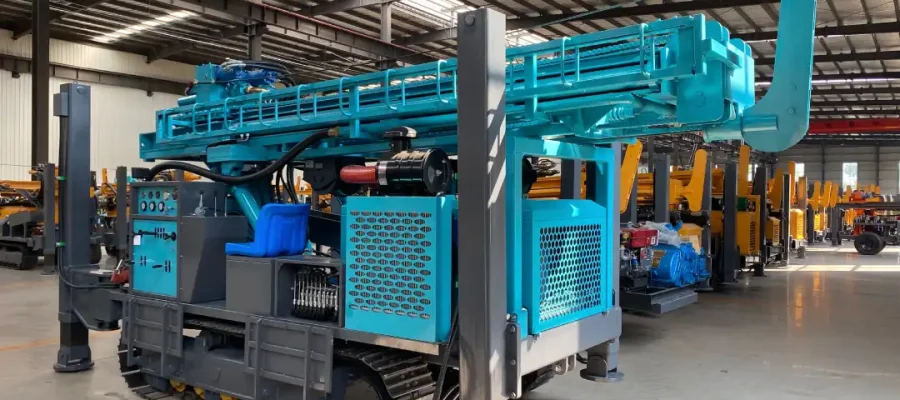
- Crawler Mounted: Provides superior off-road capabilities, perfect for traversing rough, soft or rough terrain. The tracked vehicles, which have a similar design to the excavadora sobre orugas are able to reach places that are more remote, however they can be slower to transport across longer distances.
- Footprint and setup: Think about the physical dimensions of the rig as well as the area of work required. Be sure that there is enough room to accommodate the rig’s needs as well as supporting vehicles (like trucks for water or the volquete de 15 toneladas for the removal of cuttings) as well as safe operation. It is also possible to vary the time of setup among models.
The 4th Key Factor is Drilling Method Compatibility (Rotary as compared to. DTH)
A 750m drilling rig for water wells must be in line with any drilling method(s) most appropriate to the location’s geology as well as the project’s goals. Two primary options to drill deep wells include:
- Rotary drilling (Mud or air): Uses rotation and weights to cut through the structure. Mud rotary makes use of drilling fluid to cool down the bit, stabilise the borehole, and then lift cuttings. Air rotary utilizes high-pressured air for cooling as well as cuttings removal. It is usually faster with certain kinds of structures, however less efficient in ensuring borehole stability.
- Down-the-Hole (DTH) Drilling Utilizes an air-powered hammer that is located to the left of the drill piece. The hammer is struck by the bit quickly as the drill string gradually turns. DTH can be extremely effective for hard rock formations.
The majority of deep well rigs are built to be able to accommodate multiple ways. Be sure that the rig you pick is equipped with the right parts (e.g. the powerful air compressor connections to DTH as well as a robust the mud pump’s compatibility with the rotary) in the direction you intend to take.
Table The Rotary and. DTH Drilling Considerations For Deep Wells (750m)
| Característica | Mud Rotary Drilling | Air Rotary Drilling | DTH (Down-the-Hole) Drilling |
|---|---|---|---|
| El más adecuado para | Soft-medium, unconsolidated formations | Medium-hard, dependable formations | Very hard to extremely hard rock forms |
| Cuttings Removal | Drilling Mud (Fluid) | High-Pressure Air | High-Pressure Air |
| Borehole Stability | Good (mud pressure support walls) | A fair (less support than the mud) | The fair (less support than dirt) |
| Velocidad | Moderado | Potentially Speedier (in the right rock) | Very Effective in Hard Rock |
| Water Needs | High (for mixing with mud) | Bajo | Bajo |
| Complexity | Managing mud system | Requires large air compressor | This requires a large air compressor. |
Hui Chu Dao Shi Suan Biao
Key Factor 5: Support Equipment and Logistics
A drilling rig doesn’t operate in isolation. Take into consideration the auxiliary equipment needed and logistics planning
- Air Compressors/Mud Pumps essential for DTH or rotary methods. Make sure the equipment can be integrated into the right size units.
- Drill Pipe & Collars: The right quantity and high-quality drill pipe with a rating for thickness and strain are required.
- Drill Bits Different types of dimensions based on geography and borehole’s diameter.
- Water Supply A significant amount of water could be required to drill mud or dust removal.
- Personnel Experienced personnel and operators are essential to ensure safe and effective drilling.
- Preparación del terreno It could involve clearing the of land or creating a solid drilling pad that could require tools such as an excavadora. Clean up of the site may require a cleaning Loader as well as dump truck.
Key Factor 6: Manufacturer Reputation and Support
In investing in a 750m-long water well drilling rig is that you’re relying on the product’s reliability as well as ongoing service. You should look for:
- High-Quality and Long-Term durability: The equipment must be able to withstand extreme environments. Select a manufacturer known for its sturdy construction like Unite Machinery, which has proven experience with heavy machinery, such as volquete mineros or even special machines including Cortadoras de carreteras.
- Disponibilidad de piezas: Downtime is costly. Make sure the company has an efficient and reliable supply of spare components.
- Technical Support and Instruction: Access to expert guidance and training for operators can dramatically improve efficiency in operation as well as safety.
- Garanties Know the terms of warranty conditions and coverage.
Considering Future Needs and Alternatives
In selecting your drilling drill, consider a little more than your immediate needs. Might future projects require even deeper drilling? If yes, investigating designs with more capacity for depth like an 1,000m well-drilling equipment may be a good idea. If 750m is the maximum depth, and a majority of projects are lower then make sure that the model you select performs efficiently in those lower depths, too. Take into consideration if projects for development of the site require special equipment, such as the Hydraulic telescopic solar piling driver.
Conclusión
The selection of the ideal Water well drilling rig 750m is an arduous task that requires an in-depth analysis of the geological conditions and power needs, as well as the logistics of drilling and the level of reliability that the manufacturer has. When you carefully evaluate these important aspects, you will dramatically increase your odds choosing a device which is suitable for the requirements of your venture, which will ensure security, efficiency and an outcome that is successful for the deep well project you are planning to undertake.
Are you ready to investigate the most reliable and effective drilling options? Talk to the experts at Unite Machinery today to discuss your particular project needs and explore our selection of top-quality drilling rigs and construction equipment.
Entradas relacionadas

 ES
ES  EN
EN  ID
ID  FR
FR
Publicar un comentario