


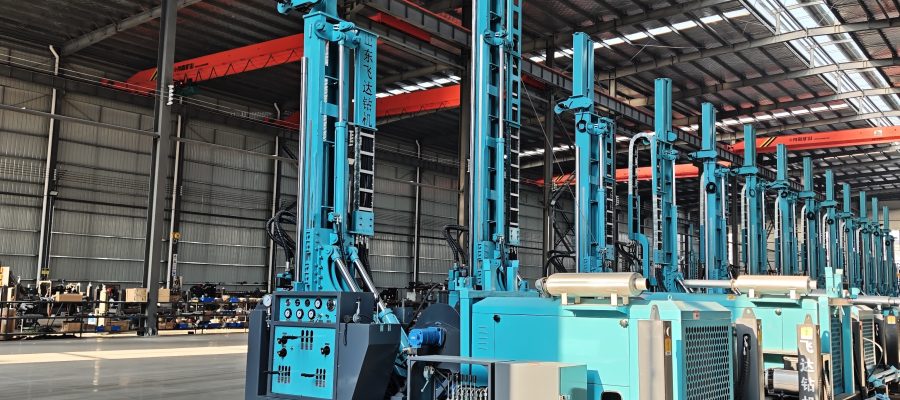
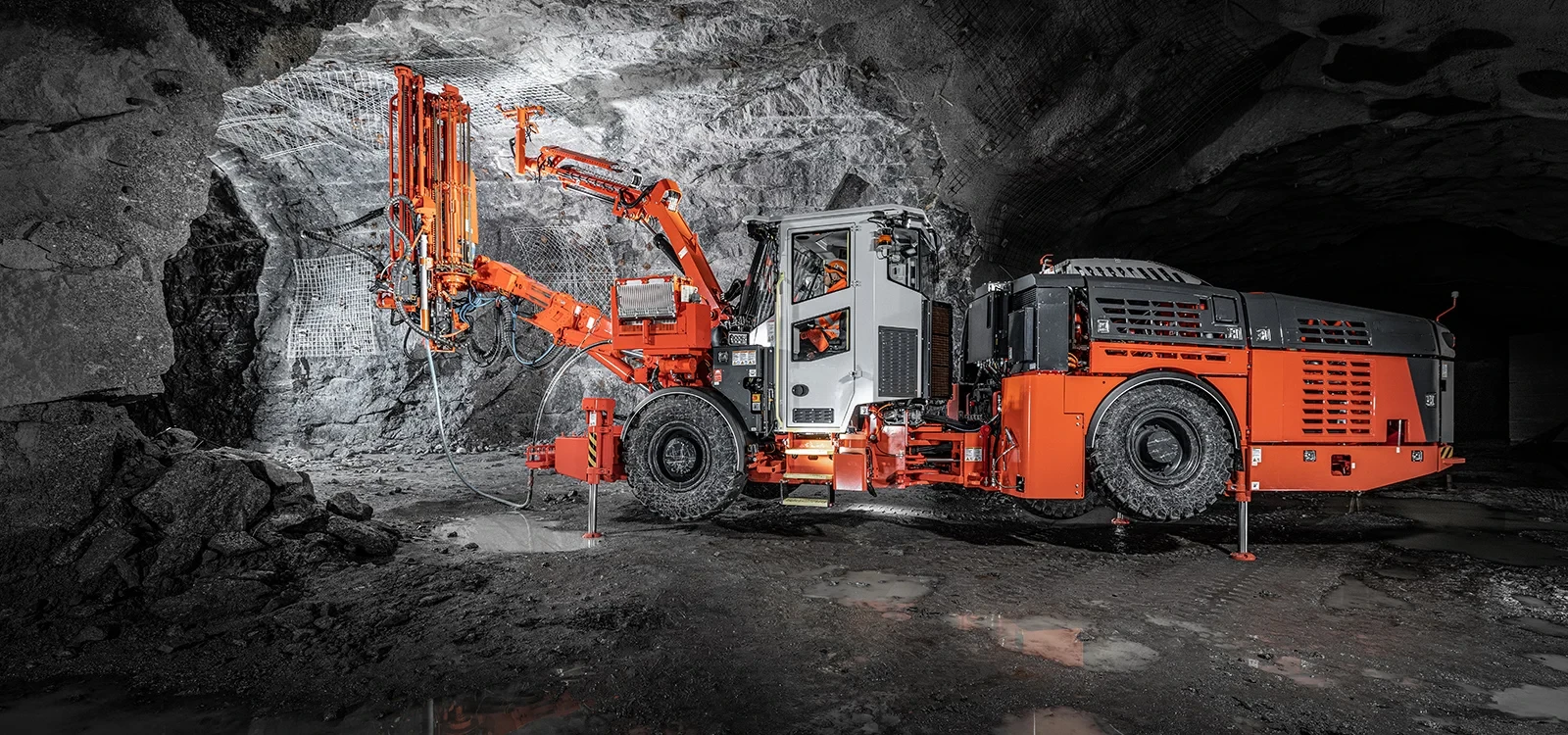
The successfulness of a tunneling venture, be it for access to mining, transport infrastructure, or utilities is dependent on the equipment utilized. The most important piece of equipment is a tunnel drilling equipment. The selection of the appropriate equipment is not just focused on completing your task and reducing costs; it’s about maximizing the productivity, assuring safety and maximising the value of the investment. A well-informed decision is made by being aware of the requirements specific to your job and the features of different rigs. This article will guide you through the most important elements to think about when selecting an rig for tunnel drilling to increase efficiency of your construction or mining activities. Being a seasoned manufacturer, Unite Machinery is aware of the difficulties involved and is determined to offer an understanding for this critical decision.
Understanding the Role of a Tunnel Drilling Rig
Before we get into the selection requirements, let’s define the function of a tunnel drilling machine is. In contrast to ordinary drills, a specific tunnel drilling rig is designed for the challenging environment of excavation underground. Its main functions typically include:
- Face Drilling Making blast holes in specific patterns on the face of the tunnel for controlled rock breaking.
- Probe Drilling drilling ahead of the face of the tunnel to study the conditions of the ground, to detect flooding of the water or possible dangers.
- Rock Bolting drilling holes for the construction of bolts made from rock and other elements of ground support to ensure stability of the tunnel.
- Grout Hole Drilling: Creating holes for injecting grout in order to increase soil stability and close off water.
They are different from the larger Tunnel Boring Machines (TBMs) which are able to excavate the whole diameter of the tunnel continuously. They are is more advanced than traditional surface drills. Drilling rigs for tunnels are flexible equipment that is indispensable for drilling and blast tunneling in the traditional way, as well as ground support installations.
Why the Right Rig Selection is Crucial for Efficiency
In the event of choosing the wrong tunnel drilling machine could cause a chain reaction of negative effects that can impact the bottom line of your project as well as the timetable. The most frequent issues are:
- Lower Productivity Rigs that are not matched to the tunnel’s conditions or rock dimensions will cause a slower drilling process and cause delays to the entire excavation process.
- increased downtime Utilizing a machine over its capabilities, or under unsuitable conditions can increase the risk of breakdowns as well as the necessity for repairs.
- Higher Operating Costs Drilling that is inefficient consumes greater energy and supplies (like the drill bit and stainless steel) increasing the cost of operations.
- Security Risks: An inadequate rig may struggle with ground support installation, or be lacking the required safety equipment for the underground area.
- Project Delays and Cost Overruns These factors cause significant delays and blowouts to budgets.
Alternatively, picking the most efficient tunnel drilling equipment can bring many advantages: speedier drill cycles, better performance, lower costs per meter of drilling, increased security, and eventually with a better-planned and profitable end-to-end project.
Key Factors to Consider When Selecting a Tunnel Drilling Rig
To make the best decision, you must conduct an in-depth analysis of a variety of crucial factors relating to the project’s specifics as well as operating requirements.
1. Geological and Geotechnical Conditions
The most important aspect. The rock type and the ground’s conditions determine the method for drilling as well as the drilling rig’s power requirements and the features it needs.
- Abrasiveness and Rock Hardness: Harder, more abrasive rock (like quartzite or granite) calls for rigs that have high performance percussion, durable components and specifically designed drill bits. More soft rocks (like Sandstone, or shale) might permit for more rapid penetration but could need different flushing or stabilization concerns. Geological surveys are a must. In order to gain an understanding of the rock mechanics sources like that of Society for Mining, Metallurgy & Exploration (SME) are a great source of details about the background.
- Rock Structure and Stability A fractured, weakened or unstable ground needs precise drilling methods and usually requires immediate ground support (rock bolting) which influences the decision to use rigs that can do both drilling as well as bolting.
- Water Ingress Possibility for the inflow of water could call for drill rigs with probe capabilities as well as equipment designed for the conditions of wet.
2. Tunnel Dimensions and Design
The shape and size that the tunnel takes directly affect the size and shape of the rig as well as the configuration of the boom.
- Tunnel Profile (Height and width): The rig has to physically be placed within the tunnel, and also have sufficient boom reach and articulated to complete the face profile or bolt location. The smaller tunnels require compact rigs.
- Tunnel Length The longer tunnels could be a good reason to invest in better-performing and more robust rigs in order in order to keep their efficiency up over the course of the project.
3. Required Drilling Applications
What is the most important task that the equipment perform?
- Face Drilling (Drill-and-Blast): Requires multi-boom Jumbos for high efficiency.
- Rock Bolting It requires specially designed rigs for bolts of various types (e.g. rubber cartridges for resin, anchors made of mechanical friction bolts). Some rigs have integrated bolting and drilling capabilities.
- Probe/ Grout Hole Drilling It requires rigs that are capable of drilling larger holes usually with special drill strings and flushing system.
4. Mobility, Access, and Power Source
Take into consideration the logistical aspects of the tunnel setting.
- Mobility Does the device be able to operate using the rubber tire (wheeled) or tracks (crawler)? The rigs with tracks offer greater grip and stability on rough terrain, whereas rigs with wheeled tires may be more agile on surfaces that have been prepared.
- Space Constraints The tight curves and the small maneuvering areas require smaller rigs, with high turn radius.
- Energy: Electric-powered rigs are usually preferred underground for low emissions and less demands on ventilation, if an adequate power source is in place. Diesel-powered rigs have more autonomy however they require a robust ventilation system.
5. Automation and Control Systems
Modern rigs provide a range of automation that affect accuracy and efficacy.
- Fundamental Controls manual operation that is ideal for more basic jobs.
- Semi-Automated Systems Options like pre-planned drilling patterns, automatic colllaring, as well as recording of data help to improve accuracy and decrease fatigue of the operator.
- Fully Automated Rigs Provide high accuracy and reliability commonly used in big-scale construction projects. However, they need specialized instruction and maintenance.
6. Safety Features
Underground work poses inherent risk. Be sure that the rig is in compliance with or is above safety standards.
- Operator Cabins: Look for FOPS (Falling Obstruction Protective Structure) and ROPS (Roll-Over Protective Structure) certified cabins.
- Emergency Stops and Interlocks Easy-to-access emergencies stops as well as safety interlocks are crucial.
- Lights and Visibility Affordable lighting for the area of work and clear visibility for the operator are vital. Respecting safety standards that are set out in OSHA and OSHA, is essential.
7. Budget and Total Cost of Ownership (TCO)
Think about the price of purchase in conjunction with long-term expenses.
- Initial Investment The balance of performances and features against the initial cost.
- Operating Costs Include the cost of electricity and fuel as well as drilling consumables (bits rods, rods, couplings) and parts for maintenance.
- Maintenance & Support Assess the credibility of the company for dependability, availability of spare parts as well as service support. An efficient rig that is reliable and has good support can reduce the time spent in a downtime that is costly.
Summary Table: Key Selection Factors
| Factor | Key Considerations | Impact on Efficiency & Project |
|---|---|---|
| Geology | Abrasiveness, hardness of the rock, the stability of water, | Determines the required power and drilling technique and speed. Also, the consumable wear |
| Tunnel Dimensions | Length, width, height and profile shape | Influences rig size, boom reach, maneuverability |
| Drilling Application | Drilling face, bolting rock probing drilling, grouting | The dictation explains the rig’s type (jumbo bolter, jumbo) and features, as well as the quantity of booms |
| Mobility & Access | Wheeled against. crawler, constraints on space and transport | The cycle duration is affected, as well as the capacity to navigate through the website |
| Power Source | Electric Vs. diesel power, sites power supply | Impacts emissions, ventilation needs, operating cost, autonomy |
| Automation Level | Semi-automated, manually, or fully automated | Influences precision, speed, consistency, operator skill required |
| Safety Features | The FOPS/ROPS cabin, emergency system illumination as well as lighting, and visibility | Protects personnel, prevents accidents, ensures compliance |
| Budget & TCO | Price of purchase, operating costs (energy and consumables) Support, maintenance | The overall profitability of the project is impacted as well as longevity of the equipment |
| Manufacturer Reliability | Reputation, quality of construction and parts availability. network | Minimizes downtime, ensures long-term operational readiness |
Integration of Tunnel Drilling into Other Equipment on Site
The tunnel drilling equipment doesn’t perform its work on its own. Its effectiveness is an integral part of an overall excavation process that involves the other machinery essential to its operation. It is crucial to coordinate the excavation process.
- Mucking Following blasting, the broken rock (muck) must be effectively removed. This usually requires sturdy loaders for removing muck.s made for restricted spaces that can be used to carry the muck.
- Haulage The muck then removed from the tunnel. Typically, it is done with the help of specially designed underground Mining Dump Truckss designed for the durability and maneuverability of tunnels.
- Site Preparation The initial development of the portal or benching may require devices such as the Excavator prior to tunneling begins.
Optimizing workflow and compatibility between drilling equipment as well as loaders and haul trucks is essential for maintaining a seamless and quick tunneling progress speed.
Making a partnership with a Reliable Manufacturing
Selecting the best tunnel drilling equipment is an investment of a major amount. Working with a reliable company like Unite Machinery provides access to not just high-quality equipment but also expertise and assistance. Search for suppliers that are:
- An established track record of success for construction and mining environments.
- Machines that are robustly constructed and created for long-term durability and dependability.
- Parts readily available for spares as well as a quick technical assistance.
- Ability to comprehend your particular requirements for your project and suggest suitable solutions.
Conclusion: Drill Down on the Details for Maximum Efficiency
The selection of the right tunnel drilling equipment is a crucial decision, one that directly influences the efficacy as well as the safety and profit of your construction or mining project. Through careful analysis of the conditions of the earth, tunnel specifications, necessary applications operations logistical requirements, safety as well as the total expense of ownership, it is possible to make a well-informed decision. Do not overlook the importance of connecting your rig to the other equipment on site and working with a dependable manufacturer that offers ongoing support. Spending the time to dig into these specifics can help you choose an equipment that can significantly improve the efficiency of tunneling and adds to the overall success of your project.
If you require assistance in assessing the specific requirements of your project or if you are interested in exploring top-quality drilling rigs, please feel no pressure to speak with the experts via Unite Machinery.
Related Posts

 EN
EN  ES
ES  ID
ID  FR
FR
Post a Comment