


Tunneling deep beneath the earth is as one of the most difficult jobs in mining and construction. It is a task that requires skillful engineering, meticulous planning but most of all – the appropriate digging equipment to complete the job at the moment. This is especially evident when the terrain itself poses significant challenges, such as fragile rock, formations which shift suddenly from soft to hard and heavy flow of water or just not being able to move around. Choosing the wrong equipment in such situations can be inefficient but can also lead to costly setbacks and overruns in budget.
What can you do to make the right choices in complex subterranean terrains? This guide outlines the essential aspects to consider before deciding Tunneling tools and will help ensure the project is completed efficiently and safely. In Unite Machinery, we design and manufacture high-quality mining and construction equipment and we’ve seen firsthand the importance of being able for the machine to meet the particular requirements of each underground venture.
Finding Grips on Difficult Ground
Before any machine is even at the site, understanding the ground beneath is important. An in-depth geotechnical study gives a glimpse of the challenges to be faced. Conditions for difficult work aren’t identical; they differ in a wide range and affect the requirements of equipment:
- Unpredictable Geology What happens when you strike the hard rock one moment and then crumbly, soft soil in the next? or fractured zones that could are threatening the stability of your ground? Tunneling equipment must be able to handle regardless of whether it’s using a range of equipment or specially-designed tools that can be used for various types of ground. For hard rock, you may require robust TBMs or conventional drill-and-blasts for soft ground, while hard ground needs rapid support installations and specialized techniques for digging.
- dealing with water: Water under pressure could make the face of a tunnel unstable, making digging slower and can cause damage to machines. What machines for tunneling is designed for wet environments which often require strong seals as well as integrated systems that eliminate water.
- Tool-resistant: Some rock is extremely abrasive and can eat into cutting edges and drilling bits with alarming speed. It means that maintenance expenses will be higher as well as delay. Tunneling also releases hazardous gases such as methane. When this happens the only specially developed explosive-proofed equipment, as well as powerful ventilation is acceptable for security. If you want to know more about managing these dangers, the resources of bodies such as MSHA Mine Safety and Health Administration (MSHA) are extremely valuable.
- Tight Squeezes Some tunnels may not be large enough. In tight spaces, you have to limit the dimensions and flexibility of machinery, affecting everything from the digging method, to the way you remove the debris and arrange air circulation.
- Work Under Cities Tunneling within urban areas creates many problems – including preventing the surface from sinking, and keeping noise and vibrations at a minimum, and making sure to avoid existing cables and pipes.
Matching the Machine to the Mission: Key Tunneling Equipment
There’s a wide array of highly specialized tunneling devices that are available. This article will look at the most the most common models and how they excel:
- Tunnel Boring Machines (TBMs): Custom-built, massive equipment that is ideal for lengthy tunnels through ground with a fairly constant thickness. There are a variety of types available of Slurry TBMs manage unstable, wet ground and Earth Pressure Balance (EPB) TBMs deal with soft earth, as well as Hard Rock Shield TBMs are specifically designed to work on solid rocks. They’re quick, but they require significant upfront costs. It is possible to explore the range of TBM technology through trade associations such as The International Tunnelling and Underground Space Association (ITA-AITES).
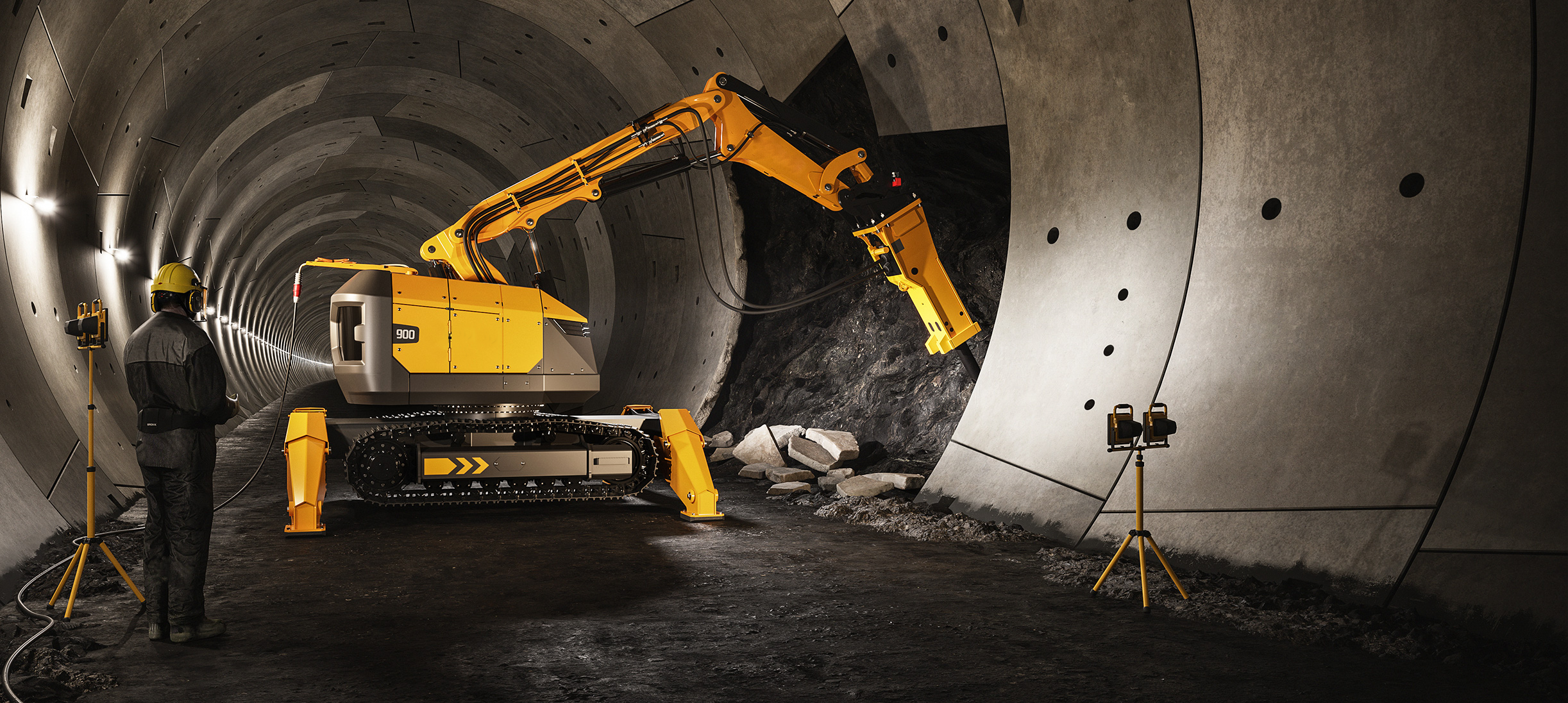
- Roadheaders & Milling Machines: Think of these as grinding booms that are powerful. They are more flexible over TBMs which are capable of gnawing through medium to soft rock as well as able of cutting out circular tunnels that aren’t circular. They’re ideal when you want to work with precision or cope different situations. They’re similar to the cutting techniques used to those of other surface machines for example, a high-performance road cutting machine.
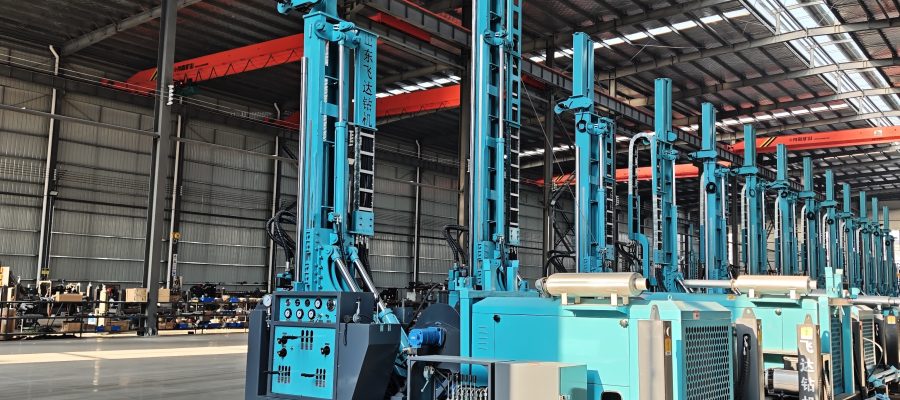
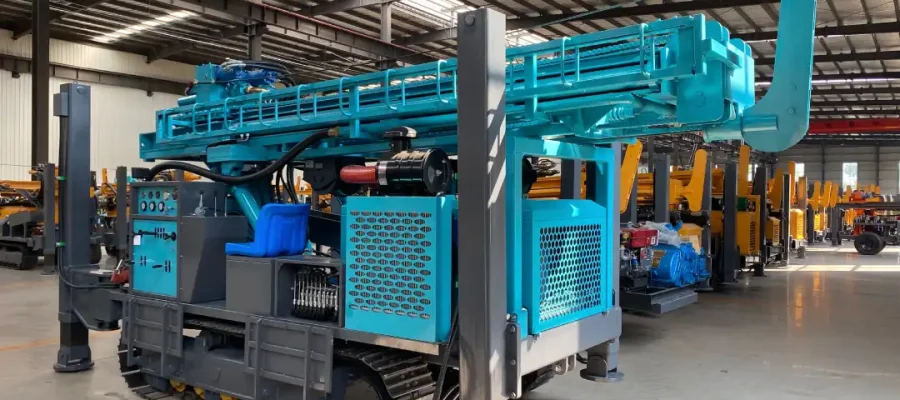
- Drill and Blast A classic method to deal with hard rock. It is the process of precisely drilling patterns of holes by using high-powered drilling equipment that load explosives and blasting and finally cleaning up the rubble. Some advanced rigs, such as the 1,000m water well drilling machine can be used to complete activities in the deep earth, such as pre-tunnel ground study or water management drilling showing the strength required.
- Digging Out, and Moving away (Mucking): Excavating the rocks is just half the job; clearing the sand (muck) removed efficiently is equally important. It’s why machines such as an specialized Mucking Loader make their living built to carry the material efficiently in narrow tunnels. In most cases adjustable regular Excavators and, in particular Crrawler Excavators to ensure stability, aid in the mucking process and various other jobs in the tunnel.
- How to Get the Mud Out: Once loaded, debris requires transportation. The distance of the tunnel and size, this could involve railroad cars, conveyor belts or even tough trucks. An efficient mining Dump Truck such as the robust 15-ton dump truck is usually required to handle massive loads Cycle after cycle under tough situations.
- Connecting Everything to One (Ground Stabilization): Especially in challenging ground, stabilizing your tunnel in the course of travel is crucial. This requires equipment to spray concrete (shotcrete) and installing rock bolts, as well as putting in steel support structures. Sometimes, foundation equipment such as the hydraulic telescopic solar pile driver may be modified to carry out specialized ground anchoring close to tunnel entry points.
- Repair and maintenance: Tunnels need looking after. Specialistized Tunnel Repair and Maintenance machines are made to guarantee the durability and security of the tunnel structure.
Decision Time: What Drives Equipment Choice in Tough Spots?
In selecting the most suitable tunneling machine requires weighing a number of variables with care:
- Ground Truth The decision is influenced by nothing more so than what geotechnical survey reveals about the soil and rock such as its stability, strength and how hard it is as well as the presence of water and the possibility of risks.
- Tunnel specifications: How long, broad, and steep does the tunnel measure? Are they circular or a different design? These are the parameters that guide you in making a decision between TBMs roadheaders, roadheaders or drilling-and-blast.
- Timeline and Budget for Projects: Big projects might justifiably justify the speed of a TBM regardless of its expense. Tunnels that are shorter or with many geological variations typically favor more flexible and more affordable techniques.
- Muck Management The process for getting rid of debris – with equipment such as the Mucking Loader coupled with an Mining Dump Truck is required to be able to keep up with the digging process in order so as to not cause delay.
- safety & Environment First: Each piece of equipment should meet the strictest safety standards (covering vents, fire safety, and operator cabins) as well as environmental restrictions for noise, dust and runoff water.
- Cost and Logistics Do not forget to include the cost of renting or purchasing as well as running costs (fuel and power as well as components) along with the logistics involved in getting massive machinery onto the location, assembled and then powered up.
- Backup Reliable: Being underground, usually away from workshop facilities, means the possibility of breakdowns is more stressful. Selecting the tunneling tools from a trusted manufacturer such as Unite Machinery means greater build quality, faster access to spare parts as well as a knowledgeable and professional support which are essential when working in the depths of in the underground.
Quick Guide: Tunneling Equipment Suitability
| Feature | Tunnel Boring Machine (TBM) | Roadheader / Milling Machine | Drill & Blast | Mucking & Haulage Systems |
|---|---|---|---|---|
| Best Use Case | Long tunnels with fairly homogeneous terrain | Ground that is variable (soft-medium rock) and custom-designed designs | Solid, expert rock with a range of forms | Removal of the spoil from the surface of excavation |
| Ground Type | The specific types are for Soft Ground, Hard Rock | Soft rock, medium-hard rock, potash, coal, | Expert in Hard Rock | Uses a variety of materials in fragments |
| Adaptability | Low (fixed diameter (fixed diameter, specific to ground type) | High (can modify the cutting profile) | High (adapts to shape, geology) | High (various truck, loaders and conveyors) |
| Typical Speed | Very fast when in perfect conditions | Moderate | Moderate (cyclic Drill blast, muck to support) | Need to be in line with excavation speed |
| Surface Impact | Usually, the amount is small | Low | Can cause vibration/noise | Moderate (truck traffic, etc.) |
| Example Machinery | EPB TBM, Slurry TBM, Shielded TBM | Roadheader, Continuous Miner, Excavator | Drilling Rig Loaders with explosives | Mucking Loader, Mining Dump Truck, Conveyors |
| Handling Challenges | Ideal for Pressure (EPB/Slurry), Shield protects | Flexible cuts to meet changing conditions precisely cut cuts | The best choice for materials that are extremely hard/abrasive. | It requires water capacity and abrasive muck. Space limitations |
Export to Sheets
Wrapping Up: Choosing Wisely for Underground Success
Selecting the best tunneling machine in the conditions underground are challenging isn’t easy. There’s a balance to be made with the facts about geology and the design of the project security requirements, the design, and budgetary considerations. Truly understanding the ground you’re dealing with, knowing what different machines can (and can’t) do, and planning the whole excavation-to-haulage process is key.
In the end, investing in high-quality and reliable equipment by a trusted manufacturer will give you a strong foundation for taking on these issues. We at Unite Machinery, we concentrate on the construction of sturdy Mucking Loaders mining dump Trucks, as well as other vital equipment that is designed to withstand the harsh conditions of underground construction. When you carefully consider all aspects and working with skilled providers, you will have your tunneling project set up to have a more secure, smoother more efficient, and more effective outcome regardless of the ground conditions are.
Related Posts

 EN
EN  ES
ES  ID
ID  FR
FR
Post a Comment