


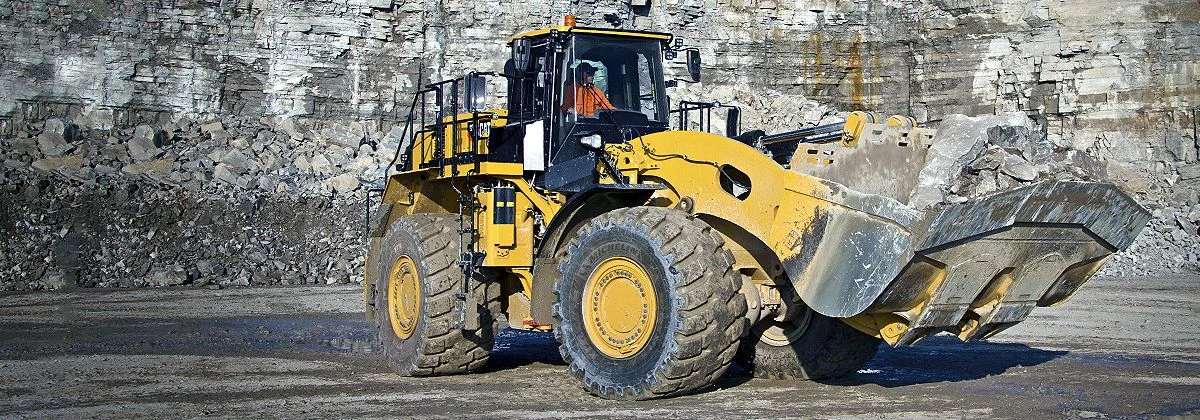
Selecting the right mining wheel loader is crucial for optimizing efficiency, productivity, and cost-effectiveness in mining operations. The right equipment can significantly impact the overall workflow, reducing downtime and increasing output. With numerous options available in the market, understanding the key factors in choosing the right wheel loader can help mining companies streamline their processes and improve profitability. This guide will walk you through essential aspects to consider when investing in a mining wheel loader, helping you make an informed decision that maximizes productivity and minimizes costs while ensuring operational sustainability.
1. Understanding Your Operational Requirements
Before purchasing a mining wheel loader, it is important to assess the specific needs of your operation. The type of worksite, the material being handled, and the daily workload will all play significant roles in determining the best loader for the job. Consider the following aspects:
- Material Type: Determine the type of material you will be handling, such as ore, coal, or aggregates, as this affects bucket capacity and power requirements. Different materials have varying densities, which can impact how much material the bucket can efficiently carry in each cycle.
- Loading Conditions: Evaluate whether the loader will be used in underground mining, open-pit mining, or other environments, as this can influence tire selection, frame durability, and overall performance. Harsh mining environments require heavy-duty machinery designed to withstand extreme conditions.
- Load Capacity: Ensure the loader has an appropriate payload capacity that aligns with your site’s production goals, avoiding underpowered machines that slow operations or oversized models that increase operational costs. Finding the right balance is essential for maintaining efficiency and cost-effectiveness.
- Work Environment: Consider factors such as terrain conditions, altitude, and climate, as these can impact machine performance and longevity. Harsh climates or high-altitude environments may require special modifications to ensure optimal operation.
2. Evaluating Load Capacity and Performance
Loaders come in different sizes and capacities. Choosing the right one involves balancing efficiency and cost while ensuring the loader meets operational demands. A loader that is too small may require additional cycles to move the same amount of material, increasing fuel consumption and reducing productivity. Conversely, an oversized loader may lead to unnecessary expenses in terms of fuel and maintenance. The table below highlights key capacity aspects:
| Loader Size | Bucket Capacity (m³) | Operating Weight (tons) | Power Output (HP) | Typical Applications |
|---|---|---|---|---|
| Small | 2 – 4 | 10 – 20 | 100 – 200 | Light-duty mining, stockpile management, smaller excavation projects |
| Medium | 5 – 8 | 20 – 40 | 200 – 400 | Medium-scale mining, haul road maintenance, material transport |
| Large | 9+ | 40+ | 400+ | Heavy-duty mining, large-scale excavation, high-volume material movement |
Matching the machine’s specifications to your site’s demand ensures optimal performance and longevity. Selecting a model that is slightly above your current needs can provide flexibility for future expansion. Additionally, choosing a model that is compatible with your existing fleet can enhance operational efficiency and reduce the learning curve for operators.
3. Choosing the Right Engine Power and Efficiency
The engine plays a vital role in the overall efficiency of a mining wheel loader, affecting fuel consumption, performance, and emissions. A well-powered engine ensures smooth operations in tough environments, while an underpowered engine can result in sluggish performance and increased wear and tear. Consider these factors:
- Fuel Efficiency: Opt for energy-efficient models to reduce operational costs while maintaining high performance. Fuel-efficient loaders can help lower long-term expenses, especially in mining operations where equipment runs continuously.
- Horsepower: A higher horsepower loader is beneficial for handling heavy loads and rough terrain, but excessive power can lead to unnecessary fuel consumption. Choosing a machine with just the right amount of power ensures efficiency and cost-effectiveness.
- Emission Compliance: Ensure compliance with environmental regulations to reduce carbon footprint and operational restrictions, especially in areas with strict emissions laws. Investing in environmentally friendly equipment can also future-proof your operations against tightening regulations.
- Hydraulic Efficiency: A well-designed hydraulic system can enhance lifting speed, responsiveness, and fuel savings, improving the overall performance of the loader. Efficient hydraulics reduce cycle times, leading to increased productivity.
4. Durability and Build Quality
Investing in a high-quality, durable loader ensures longevity and minimizes downtime. Unite Machinery provides robust mining wheel loaders designed for harsh conditions, ensuring reliability and long-term performance. The durability of a mining wheel loader can determine its operational lifespan and impact maintenance costs. When evaluating durability, look for:
- Heavy-duty frames and reinforced structures to withstand extreme mining environments. A sturdy frame reduces the risk of structural damage from heavy loads and rough terrains.
- Hydraulic system efficiency to ensure smooth operation and reduced wear, lowering maintenance costs. Well-designed hydraulics lead to better fuel efficiency and higher productivity.
- Advanced cooling systems for better heat management in prolonged operations, essential for high-temperature working conditions. Overheating can lead to component failure and costly repairs.
- Corrosion-resistant components to withstand wet or high-salinity environments, prolonging the lifespan of key parts. Mining operations in coastal or humid regions require machines designed to resist rust and corrosion.
5. Safety and Operator Comfort
Safety is a primary concern in mining operations, and modern wheel loaders come equipped with advanced safety features to protect operators and site personnel. A good mining wheel loader should be equipped with:
- Ergonomic operator cabins for comfort during long shifts, featuring adjustable seats, climate control, and intuitive controls. Comfortable operators are more productive and less prone to fatigue-related errors.
- Advanced braking systems for stability and control, including anti-lock braking systems (ABS) and automatic retarders. Proper braking systems enhance maneuverability, especially in steep or slippery conditions.
- Automatic safety features, such as collision avoidance systems, proximity sensors, and real-time monitoring to reduce accident risks. Advanced monitoring systems can alert operators to potential hazards before accidents occur.
- Enhanced visibility features, including high-quality lighting and rear-view cameras, to improve situational awareness in dimly lit mine sites. Good visibility reduces the likelihood of accidental collisions.
6. Maintenance and After-Sales Support
Regular maintenance is key to keeping your mining wheel loader in top condition. Well-maintained equipment ensures consistent performance and reduces the likelihood of costly breakdowns. Consider loaders that offer:
- Easy access to parts for quick maintenance, ensuring minimal downtime. Machines designed for easy servicing allow for faster repairs.
- Reliable after-sales service from trusted manufacturers like Unite Machinery, with a strong service network. A good support system ensures that issues are resolved quickly.
- Predictive maintenance technology that provides real-time diagnostics and alerts, helping to prevent breakdowns before they occur. Modern mining equipment is often equipped with smart monitoring systems to track wear and tear.
- OEM spare parts availability, ensuring that replacement components are high quality and compatible with your loader. Using genuine parts extends the lifespan of the loader.
By following this guide, you can make an informed decision and choose the best mining wheel loader to meet your operational demands effectively, ensuring long-term success in your mining projects.
Related Posts

 EN
EN  ES
ES  ID
ID  FR
FR
Post a Comment