


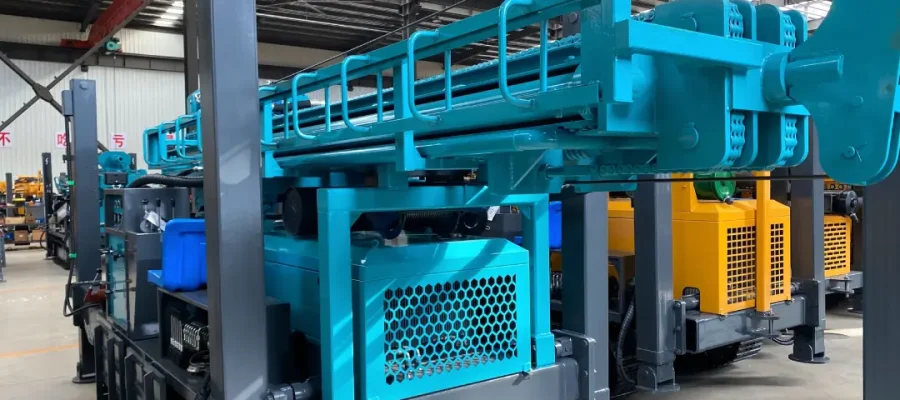
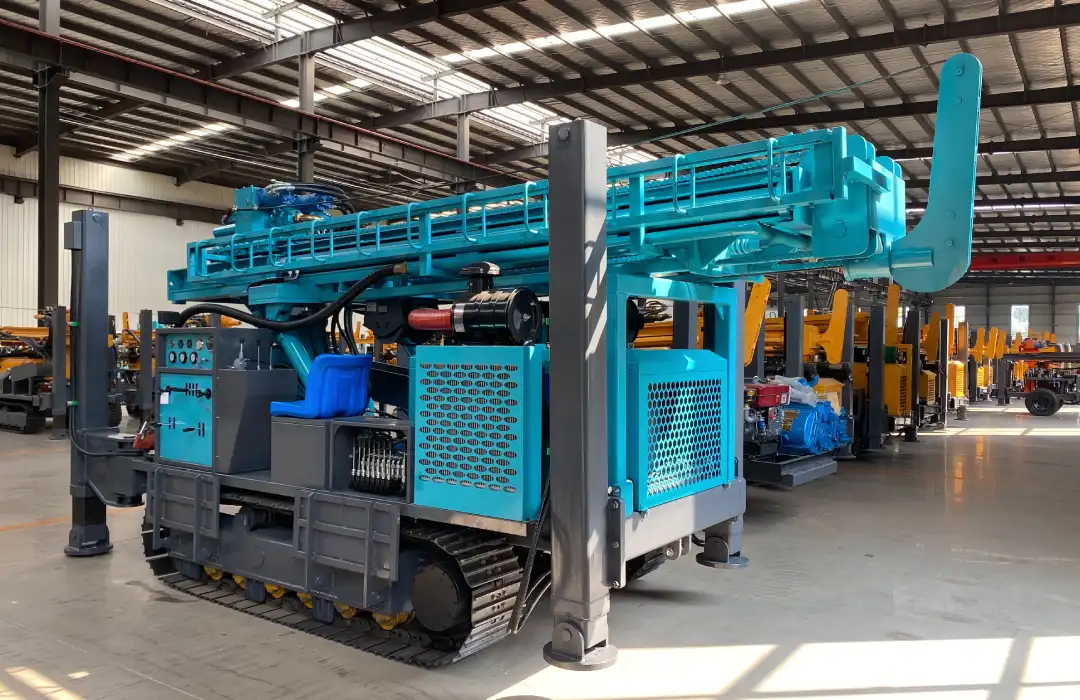
Investing in a water well drilling rig is a significant decision for drilling contractors, agricultural businesses, and water supply projects. Choosing the right machine can improve drilling efficiency, reduce operating costs, and increase project profitability. However, with various models available on the market, selecting the most suitable drilling rig can be challenging.
This guide will help you understand the key factors to consider before purchasing a water well drilling rig.
1. Determine Your Required Drilling Depth
The first factor to consider is the maximum drilling depth needed for your projects.
Typical drilling depths include:
- 100m–200m for shallow water wells
- 200m–400m for agricultural and residential applications
- 400m–800m for commercial and industrial projects
- 800m–1500m for deep groundwater exploration
Choosing a rig with adequate drilling capacity ensures stable performance and future project flexibility.
2. Understand Local Geological Conditions
Different geological formations require different drilling solutions.
Common formations include:
- Clay and soil
- Sand and gravel
- Limestone
- Granite
- Basalt and hard rock
For hard rock formations, high-torque rotary heads and DTH (Down-The-Hole) hammer systems are recommended. For softer formations, mud rotary drilling may be more efficient.
3. Select the Appropriate Drilling Method
Modern water well drilling rigs usually support:
Air Drilling
Ideal for hard rock conditions and high drilling efficiency.
Mud Drilling
Suitable for loose formations such as sand and clay.
Air-and-Mud Dual System
Provides maximum flexibility and allows operators to adapt to changing geological conditions.
Many professional drilling contractors prefer dual-purpose rigs because they can handle a wider range of projects.
4. Evaluate Mobility Requirements
Job site accessibility is another important factor.
Crawler-Mounted Drilling Rigs
- Excellent off-road capability
- Suitable for mountainous and rough terrain
- Better stability during drilling
Truck-Mounted Drilling Rigs
- Faster transportation between job sites
- Ideal for road-accessible locations
- Higher operational efficiency for large projects
5. Consider Power and Performance
Key technical specifications include:
- Rotary torque
- Feed force
- Lifting capacity
- Engine power
- Drill rod diameter
- Drilling speed
Machines with higher torque and stronger lifting force generally perform better in deep drilling and hard rock formations.
6. Check Spare Parts and After-Sales Support
Even the best drilling rig requires maintenance and replacement parts over time.
Before purchasing, confirm that the manufacturer can provide:
- Technical support
- Spare parts supply
- Online troubleshooting assistance
- Operator training
- Fast response after-sales service
Reliable support can significantly reduce downtime and maintenance costs.
7. Balance Price and Long-Term Value
Many buyers focus only on the initial purchase price. However, the total cost of ownership includes:
- Fuel consumption
- Maintenance expenses
- Spare parts availability
- Drilling efficiency
- Equipment lifespan
A slightly higher-quality machine often delivers better long-term returns through improved productivity and reduced downtime.
Conclusion
Selecting the right water well drilling rig requires careful consideration of drilling depth, geological conditions, mobility, performance, and after-sales support. By evaluating these factors, contractors and project owners can choose equipment that maximizes productivity and profitability.
Whether you need a 200m, 400m, 600m, or 1500m water well drilling rig, choosing a reliable manufacturer with proven industry experience is the key to long-term success.
Related Posts

 EN
EN  ES
ES  ID
ID  FR
FR
Post a Comment