


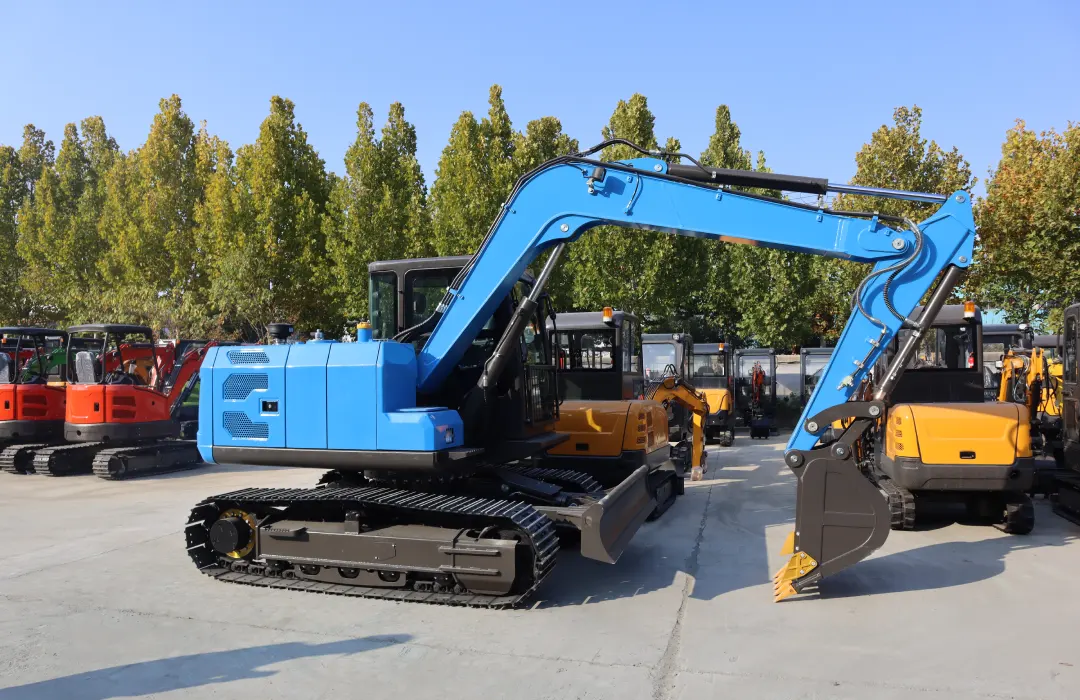
A mini digger excavator has become one of the most essential machines in modern construction, landscaping, farming, and utility work. Whether you are digging trenches, preparing foundations, removing debris, or working in tight urban areas, choosing the right compact excavator can directly affect your efficiency, fuel costs, and long-term profits.
Many buyers focus only on price when purchasing a mini excavator, but the real challenge is finding a machine that matches your working conditions, project scale, and maintenance expectations. In this guide, we will explain how to choose the right machine, avoid common mistakes, and improve productivity on your job site.
Why Mini Excavators Are Becoming More Popular
Compact construction equipment is growing rapidly because many projects now require machines that can operate in narrow spaces while still delivering strong digging performance. Compared with large excavators, mini excavators offer several advantages:
- Easier transportation
- Lower fuel consumption
- Reduced maintenance costs
- Better flexibility in small areas
- Lower operating costs for contractors
For contractors working in residential construction, road repair, agriculture, and municipal engineering, a mini digger excavator is often the best balance between performance and affordability.
Common Problems Buyers Face
Many customers purchase the wrong excavator because they do not fully understand their project requirements. Some common problems include:
Machine Size Does Not Match the Job
A machine that is too small may struggle in hard soil or rocky ground. A machine that is too large can increase fuel costs and make transportation difficult.
Before buying, consider:
- Digging depth requirements
- Working width limitations
- Ground conditions
- Transportation regulations
- Attachment compatibility
Poor Hydraulic Performance
Hydraulic systems directly affect digging power and operating speed. Low-quality hydraulic components can lead to:
- Slow arm movement
- Weak digging force
- Oil leakage
- Frequent downtime
Reliable hydraulic pumps and valves are critical for long-term performance.
Expensive Maintenance
Some buyers only compare initial prices and ignore maintenance costs. Cheap machines may require frequent repairs, especially if spare parts are difficult to obtain.
A good compact excavator should have:
- Easy-access maintenance points
- Standardized spare parts
- Durable hydraulic hoses
- Reliable engine systems
Key Features to Look for in a Mini Excavator
Engine Reliability
The engine is the core of any excavator. A stable engine improves fuel efficiency and reduces downtime. Many professional users prefer machines equipped with well-known diesel engines because they provide better durability and easier servicing.
Digging Depth and Reach
Different projects require different digging capacities. For example:
- Landscaping projects may only require shallow digging
- Utility installation may require deeper trenching
- Farm irrigation projects often need extended reach
Always match the machine specifications with your actual project needs.
Attachment Compatibility
Modern excavators are often used with multiple attachments such as:
- Hydraulic breakers
- Augers
- Grapples
- Rippers
- Quick couplers
A flexible attachment system can significantly improve machine utilization.
Operator Comfort
Long working hours can reduce operator efficiency. Features such as:
- Adjustable seats
- Smooth joystick controls
- Clear instrument panels
- Enclosed cabins
can improve comfort and reduce fatigue.
How to Improve Excavator Working Efficiency
Many operators fail to maximize machine productivity because of poor operating habits. Here are several practical tips:
Perform Daily Inspections
Before starting work:
- Check hydraulic oil levels
- Inspect tracks
- Examine hoses for leakage
- Clean air filters
Preventive maintenance can reduce costly downtime.
Use the Correct Bucket
Different soil conditions require different bucket sizes. Oversized buckets may overload the machine, while undersized buckets reduce efficiency.
Avoid Continuous Overloading
Overloading can damage:
- Hydraulic systems
- Boom structures
- Swing motors
- Engine components
Operating within the recommended capacity increases machine lifespan.
Best Applications for a Mini Digger Excavator
A mini digger excavator is widely used in many industries because of its flexibility and compact design.
Residential Construction
Mini excavators are ideal for:
- Backyard excavation
- Fence installation
- Foundation preparation
- Swimming pool digging
Agriculture and Farming
Farm owners often use compact excavators for:
- Irrigation trenching
- Land clearing
- Tree planting
- Drainage projects
Municipal Engineering
City contractors use excavators for:
- Pipeline installation
- Cable trenching
- Road maintenance
- Sidewalk repairs
Choosing a Reliable Excavator Supplier
The supplier is just as important as the machine itself. A reliable manufacturer should provide:
- Technical support
- Spare parts availability
- Fast delivery
- Custom configurations
- After-sales service
Before purchasing, ask the supplier:
- What warranty is included?
- Are spare parts easy to obtain?
- Can attachments be customized?
- Is technical training available?
Future Trends in Compact Excavators
The construction industry continues to evolve, and mini excavators are becoming more advanced. Future trends include:
- More fuel-efficient engines
- Smart control systems
- Electric mini excavators
- Improved hydraulic efficiency
- Enhanced operator safety
Contractors are increasingly choosing machines that reduce fuel consumption while maintaining strong working performance.
Final Thoughts
Choosing the right mini digger excavator is not simply about buying the cheapest machine. The best excavator is one that matches your working conditions, improves productivity, reduces maintenance costs, and delivers long-term value.
By understanding machine size, hydraulic performance, attachment options, and maintenance requirements, buyers can avoid costly mistakes and select equipment that supports long-term business growth.
Whether you work in construction, farming, landscaping, or municipal engineering, investing in a reliable excavator can greatly improve project efficiency and profitability.
Related Posts

 EN
EN  ES
ES  ID
ID  FR
FR
Post a Comment