


Reliable Water Access Starts with the Right Equipment
Access to groundwater is essential for agriculture, construction projects, and rural communities. Choosing the right well digging machine can greatly improve drilling efficiency and reduce operational problems. Many buyers focus only on the price of equipment, but factors such as drilling depth capability, soil conditions, and long-term maintenance costs are equally important. Understanding these key elements helps contractors complete drilling projects faster while avoiding common failures such as collapsed boreholes or insufficient water output.
Common Challenges in Water Well Drilling
Borehole Collapse in Loose Soil
Many drilling projects encounter loose soil layers such as sand or gravel. Without proper drilling tools or casing support, the borehole may collapse during drilling. Using suitable borehole drilling equipment and proper casing methods can prevent this issue and keep the drilling process stable.
Insufficient Drilling Depth
Another common problem is failing to reach a sufficient depth to access reliable groundwater. Some contractors underestimate the required depth or choose drilling rigs with limited capacity. A high-quality water well drilling rig should provide enough power and drilling depth to reach deeper aquifers.
High Operating and Maintenance Costs
Fuel consumption, worn drill bits, and poor equipment reliability can increase the total cost of drilling. Selecting durable drilling machinery with a strong hydraulic system can reduce downtime and improve overall efficiency.
Important Features to Consider Before Buying
Drilling Power and Hydraulic System
A stable hydraulic system is essential for effective drilling. Strong torque allows the machine to drill through harder rock formations while maintaining steady drilling speed. This is especially important in areas with mixed soil and rock layers.
Mobility and Site Adaptability
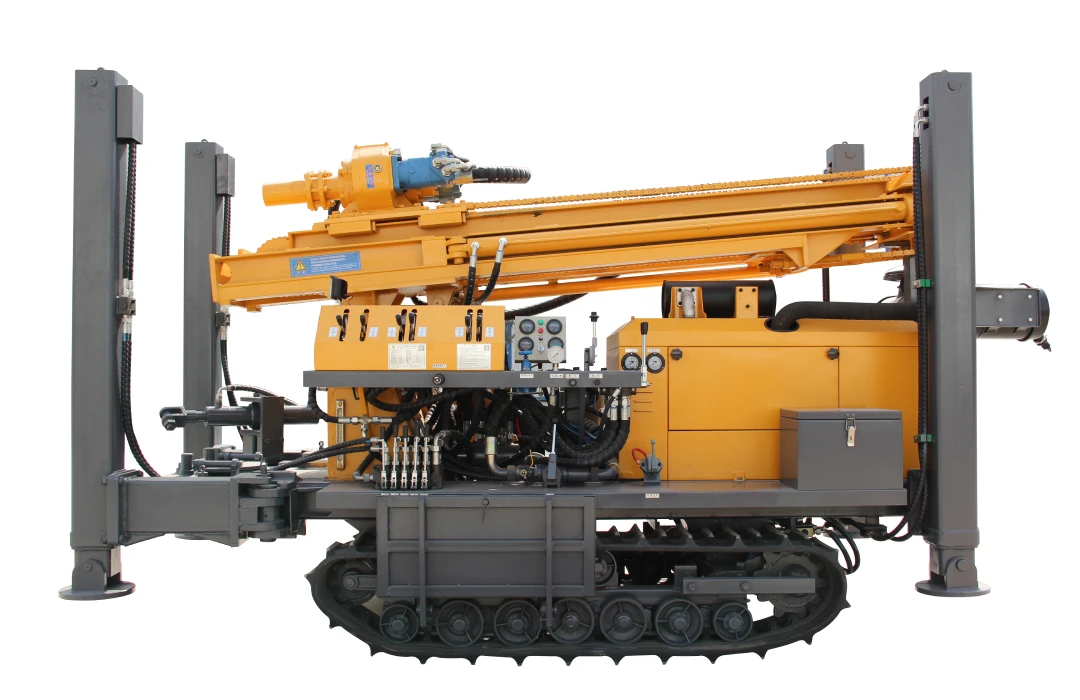
Crawler drilling rigs are widely used because they can easily move across uneven terrain, farmland, or construction sites. Good mobility allows operators to reposition the machine quickly and improve productivity.
Compatibility With Different Drill Tools
Professional borehole drilling machines should support different drill bits and drilling methods, allowing operators to adapt to varying geological conditions.
Typical Applications of Water Well Drilling Equipment
Agricultural Irrigation
Farmers depend on groundwater wells to maintain irrigation systems, especially in regions where rainfall is limited.
Rural Water Supply
In many developing areas, drilled wells provide safe and reliable drinking water for local communities.
Construction Projects
Construction companies often drill wells to supply water for concrete production, dust control, and on-site operations.
Tips to Extend the Life of Drilling Equipment
Regular maintenance can significantly extend the service life of drilling rigs and reduce unexpected downtime.
- Check hydraulic oil levels and replace filters regularly
- Inspect drill rods and drill bits for wear
- Maintain stable drilling pressure during operation
- Perform routine inspection of the rotary head and power system
Proper maintenance ensures consistent performance and protects your investment.
Conclusion
Selecting the right well digging machine plays a crucial role in the success of any drilling project. By understanding drilling depth requirements, soil conditions, and equipment reliability, contractors can choose the most suitable water well drilling rig for their needs. Reliable drilling equipment not only improves productivity but also ensures a stable and sustainable groundwater supply for years to come.
Related Posts

 EN
EN  ES
ES  ID
ID  FR
FR
Post a Comment