


Introduction
The construction and mining industries face numerous challenges, from hazardous working conditions to rising labor costs. These industries often operate in extreme environments, dealing with heavy machinery, unstable ground conditions, and unpredictable weather. To overcome these issues, companies are increasingly turning to advanced technology, and remote control excavators are emerging as a game-changing solution. These machines provide a safer, more efficient alternative to traditional excavation methods by allowing operators to control heavy equipment from a distance. By reducing risks and improving return on investment (ROI), these machines enhance safety, efficiency, and operational control, ensuring businesses can maintain productivity while mitigating operational hazards and financial losses.
The Advantages of Remote Control Excavators
Enhanced Safety in Hazardous Environments
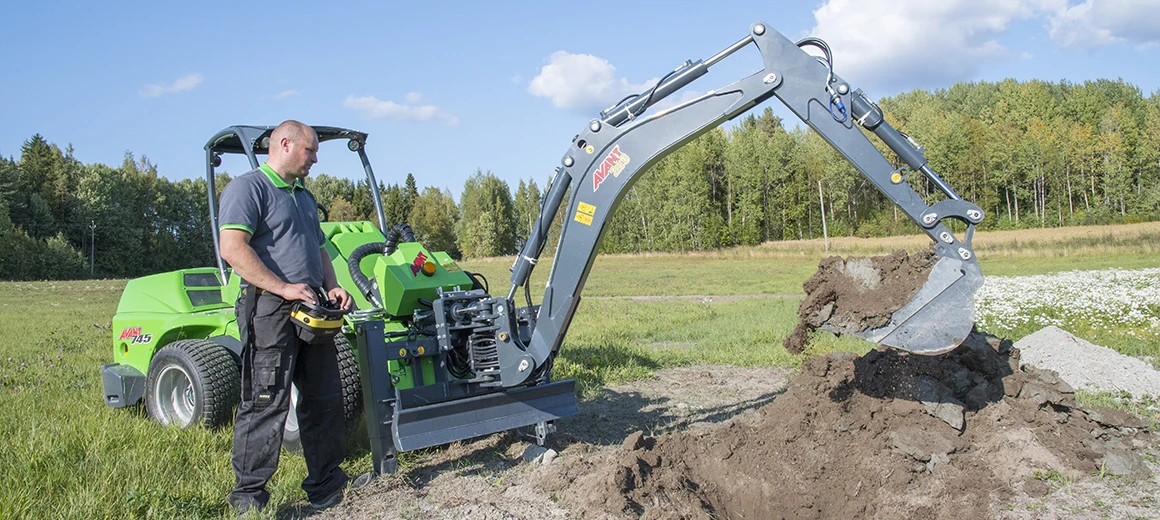
Mining and construction sites are often fraught with dangers such as unstable ground, falling debris, exposure to toxic materials, and operating heavy machinery in confined spaces. Traditional excavators require operators to be physically present in these high-risk zones, increasing the likelihood of workplace accidents and injuries. Remote control excavators eliminate this risk by allowing workers to operate machinery from a secure and distant location, minimizing their exposure to hazardous conditions.
Additionally, remote-controlled equipment reduces fatigue-related errors that often result from long working hours in dangerous environments. Operators can control excavators from a comfortable and controlled setting, reducing stress levels and enhancing focus. By leveraging these advanced machines, companies can prevent workplace injuries, reduce compensation claims, and maintain compliance with stringent safety regulations. This ultimately saves costs associated with medical expenses, legal issues, and downtime caused by work-related accidents, ensuring smoother and more profitable operations.
Improved Efficiency and Productivity
Remote control excavators streamline excavation, trenching, and earth-moving tasks with remarkable precision, ensuring that projects are completed efficiently and within the designated timeline. Traditional excavation processes often face delays due to factors such as operator fatigue, visibility challenges, and environmental hazards. With advanced remote control technology, operators can maneuver equipment with greater accuracy, minimizing errors and optimizing task execution.
Moreover, these excavators often integrate state-of-the-art automation features such as GPS tracking, AI-driven monitoring, and real-time data analysis, which further enhance their performance. These technologies enable operators to receive instant feedback on excavation progress, allowing them to make necessary adjustments without pausing operations. As a result, project timelines are shortened, resource wastage is minimized, and overall efficiency is significantly increased. Companies that adopt remote control excavators can expect higher productivity levels and reduced operational costs, making their investment in this technology highly worthwhile.
Lower Labor Costs and Increased ROI
Labor shortages and rising wages are ongoing concerns for construction and mining companies, making it increasingly difficult to find and retain skilled workers for demanding excavation tasks. The traditional approach requires multiple operators on-site, each dedicated to controlling a specific piece of machinery. This dependence on human resources leads to higher payroll expenses and operational inefficiencies. By implementing remote control excavators, businesses can significantly reduce their reliance on skilled operators while maintaining high levels of efficiency.
One trained worker can oversee multiple machines simultaneously from a remote control station, reducing the need for additional personnel and allowing for better workforce allocation. This optimized workforce management leads to substantial cost savings and improved project profitability. Additionally, remote-controlled machinery ensures that equipment is used optimally, reducing wear and tear caused by operator fatigue and manual errors. This prolongs the lifespan of excavators, minimizes maintenance costs, and ultimately maximizes ROI over the long term. Companies investing in remote control excavation technology can achieve significant financial benefits while maintaining a high standard of operation.
Applications of Remote Control Excavators in Mining and Construction
Remote control excavators are highly versatile and can be deployed across various sectors within the mining and construction industries. Their ability to operate in dangerous, hard-to-reach, or unstable environments makes them invaluable for numerous applications. Below is an overview of key applications and their associated benefits:
| Application | Benefits |
|---|---|
| Underground Mining | Increases safety by keeping operators away from hazardous areas |
| Demolition Projects | Provides precision control in unstable structures |
| Disaster Recovery | Allows access to dangerous sites, such as earthquake zones |
| Road Construction | Enhances efficiency in confined or high-traffic areas |
| Tunnel Excavation | Improves safety and accuracy in restricted spaces |
Each of these applications highlights the versatility and effectiveness of remote-controlled excavation equipment. In mining operations, for example, remote-controlled excavators can operate deep underground, where human access is dangerous due to potential cave-ins, gas leaks, or other hazardous conditions. In demolition projects, operators can safely dismantle unstable structures from a secure location, preventing exposure to debris and potential collapses. Similarly, in disaster recovery efforts, remote excavators allow responders to clear debris, dig through wreckage, and conduct rescue operations without putting human lives at risk. As these applications continue to grow, remote-controlled excavation technology will become an essential tool for improving safety and efficiency across industries.
Choosing the Right Remote Control Excavator
When selecting a remote control excavator, it is essential to consider the following factors to ensure optimal performance and long-term benefits:
- Application Requirements: Different projects require specific excavator models. Choose an excavator that aligns with your project needs, such as underground mining, roadwork, demolition, or tunnel excavation.
- Durability and Reliability: Heavy-duty machinery must withstand extreme environments and prolonged usage. Ensure that the excavator is built with high-quality materials and robust engineering to handle the demands of your industry.
- Technology Integration: Look for models equipped with GPS tracking, automation, AI-driven analytics, and real-time monitoring capabilities. These features enhance accuracy, efficiency, and operational control.
- After-Sales Support: Partner with a reputable manufacturer like Unite Machinery that offers excellent customer support, spare parts availability, and maintenance services to ensure uninterrupted operations.
For those in need of robust and efficient excavators, explore our range of high-performance Excavators, including Crawler Excavators, specifically designed for demanding mining and construction tasks. Investing in the right equipment will enhance operational success, improve safety, and yield long-term financial benefits.
Future Trends in Remote-Controlled Excavation
The evolution of remote control excavators is closely tied to advancements in automation, artificial intelligence, and smart construction technologies. In the coming years, expect to see significant innovations that further enhance the capabilities of remote-controlled excavation equipment.
One of the most anticipated developments is the emergence of fully autonomous excavation systems, which will require minimal human intervention. These machines will leverage AI-powered decision-making, advanced sensors, and automated navigation to perform complex excavation tasks with unparalleled precision. Additionally, enhanced remote monitoring capabilities will allow operators to track real-time data on equipment performance, environmental conditions, and project progress, enabling proactive decision-making and minimizing downtime.
Another major trend is the integration of remote control excavators with smart construction sites, where interconnected machinery will collaborate seamlessly to optimize efficiency, reduce energy consumption, and enhance overall productivity. As companies continue to invest in cutting-edge excavation technologies, those at the forefront of these advancements will gain a competitive edge in their industries.
Conclusion
Remote control excavators are transforming the mining and construction industries by improving safety, efficiency, and cost-effectiveness. By reducing risks, optimizing operations, and integrating with modern technology, they offer a significant boost in ROI. As technology continues to advance, integrating remote-controlled excavation equipment will become an essential strategy for businesses looking to enhance productivity and stay ahead of the competition.
Explore our range of Mucking Loaders and Mining Dump Trucks to complement your excavation operations and maximize efficiency today!
Related Posts

 EN
EN  ES
ES  ID
ID  FR
FR
Post a Comment