


Introduction
Mini excavators are essential machines in the construction, mining, and landscaping industries. Their compact size, versatility, and ease of operation make them a preferred choice for various tasks. However, operating a mini excavator requires skill, attention to safety protocols, and proper handling techniques to ensure maximum efficiency and prevent accidents. Many operators underestimate the importance of thorough training and preparation, which can lead to operational inefficiencies and potential hazards. In this guide, we will cover key steps and best practices to ensure safe and efficient operation of a mini excavator, particularly in mining and construction applications where precision and reliability are critical.
Understanding the Basics of a Mini Excavator
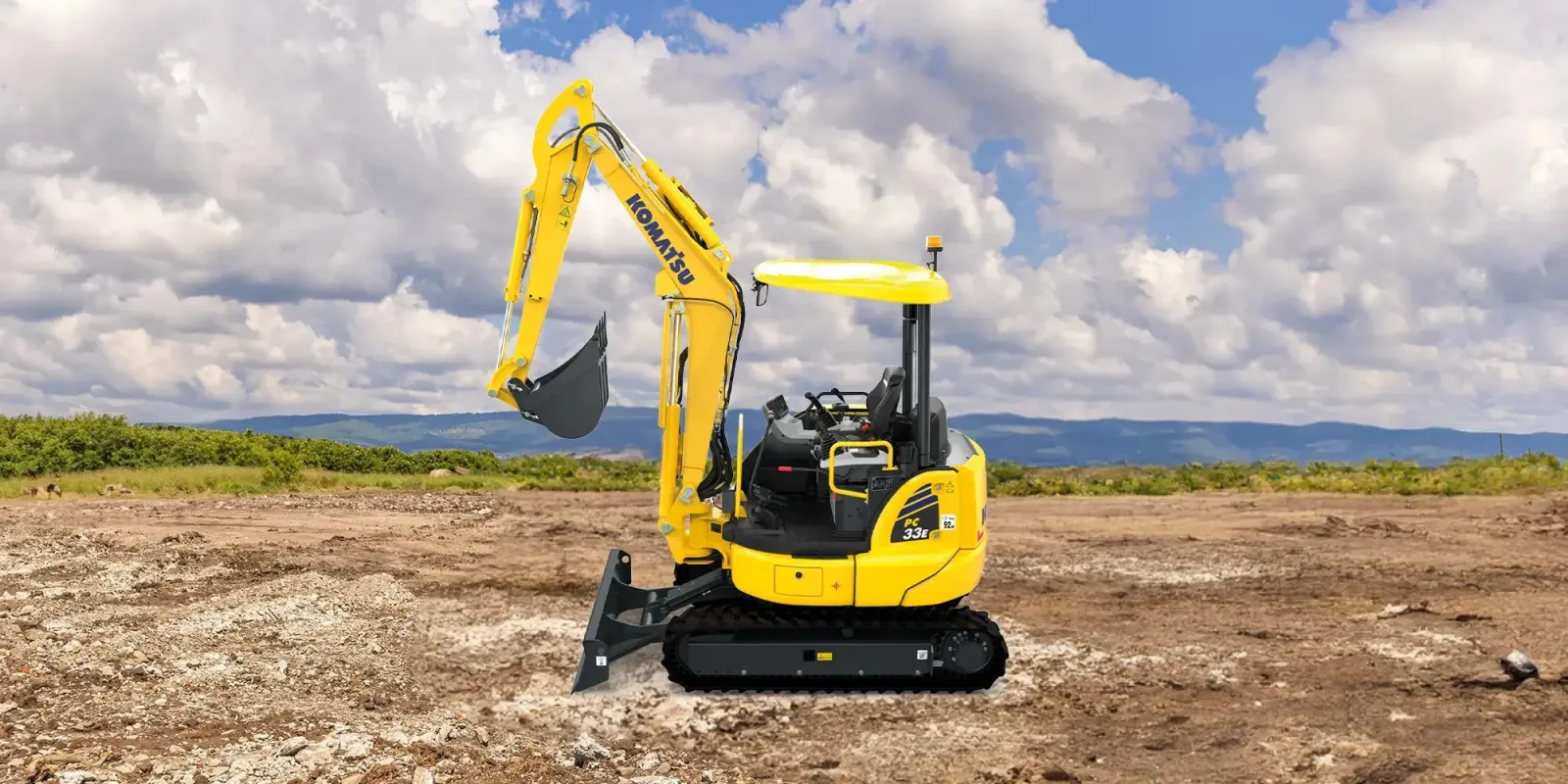
Before operating a mini excavator, it is crucial to understand its primary components and functions. These machines are designed for heavy-duty tasks and come equipped with essential parts that contribute to their efficiency. A mini excavator typically consists of several key components that play a significant role in its operation:
| Component | Function |
|---|---|
| Boom and Arm | Used for digging and lifting materials. These components extend the machine’s reach and allow precise maneuvering. |
| Bucket | Attached to the arm for scooping and moving soil, debris, or rocks. Buckets come in various sizes and shapes depending on the application. |
| Cab | The operator’s compartment, equipped with controls, safety features, and visibility aids to ensure effective machine handling. |
| Tracks/Wheels | Provides mobility and stability on different terrains, ensuring the excavator remains balanced during operation. |
| Hydraulic System | Powers the movement of the boom, arm, and bucket, allowing smooth and efficient control over the excavation process. |
Familiarizing yourself with these components helps ensure smooth operation and minimizes the risk of accidents. Understanding the role of each part allows operators to use the machine more effectively and troubleshoot minor issues before they escalate into serious mechanical problems.
Pre-Operation Inspection Checklist
A thorough inspection before operating a mini excavator is crucial for safety and performance. Regular pre-operation checks ensure that the machine is in optimal condition and reduces the likelihood of breakdowns during operation. Follow these steps to conduct a proper inspection:
- Check Fluid Levels – Inspect hydraulic fluid, engine oil, and coolant levels to prevent mechanical failures. Running a machine with low fluid levels can cause overheating, inefficiency, and potential damage to essential components.
- Inspect the Undercarriage – Look for loose bolts, track tension, and any visible wear and tear. The undercarriage supports the entire machine, so maintaining it in good condition prevents structural failures and enhances stability.
- Test Controls and Safety Features – Ensure all levers, pedals, and safety switches function correctly. Malfunctioning controls can lead to operational errors, increasing the risk of accidents.
- Examine Attachments – Verify that the bucket or any other attachment is securely fastened. Loose or improperly installed attachments can detach during operation, creating a hazardous situation.
- Clear the Work Area – Remove any debris, obstacles, or overhead hazards that could interfere with operation. Working in a clutter-free environment minimizes risks and allows for smoother movement of the machine.
A proper pre-operation inspection not only enhances safety but also extends the lifespan of your equipment. Regular maintenance and pre-use checks are vital for ensuring reliable and consistent machine performance, particularly in demanding mining and construction applications.
Safe Operating Procedures for Mini Excavators
Operating a mini excavator safely requires adherence to best practices. Following proper procedures not only ensures the safety of the operator and surrounding workers but also enhances the efficiency and longevity of the machine. Here are some key steps to follow:
1. Entering and Exiting the Machine
- Use three points of contact when entering or exiting the cab to maintain balance and prevent falls.
- Avoid jumping off the machine, as it may cause injuries due to uneven ground or slippery surfaces.
- Ensure the machine is on stable ground before stepping in to avoid unexpected movement or tipping.
2. Starting the Mini Excavator
- Sit in the operator seat and fasten your seatbelt to secure yourself in case of sudden movements.
- Ensure all controls are in a neutral position before starting the engine to prevent unintended operation.
- Start the engine and let it warm up before use to allow hydraulic and engine components to reach optimal performance levels.
- Test the movement of the boom, arm, and bucket to confirm proper functionality before beginning work.
3. Operating with Stability and Precision
- Always keep the bucket low when moving to maintain stability and prevent tipping.
- Work on even ground whenever possible to reduce risks associated with uneven terrain.
- Move slowly and use controlled movements to avoid jerky operations that could lead to loss of control.
- Be aware of the machine’s swing radius to prevent accidental collisions with surrounding structures or workers.
4. Digging and Lifting Safely
- Position the machine properly before digging to ensure stability and avoid unnecessary strain on components.
- Use the boom and arm together for smooth digging operations, avoiding sudden force that can damage the ground or equipment.
- Avoid overloading the bucket to maintain machine balance and prevent tipping hazards.
- When lifting heavy materials, keep the load close to the machine’s center of gravity to ensure stability and prevent strain on hydraulic components.
Common Hazards and How to Avoid Them
Understanding potential hazards when operating a mini excavator can prevent accidents and damage. Here are some common risks and how to mitigate them:
| Hazard | Prevention |
| Machine Tipping | Avoid working on steep slopes; keep loads balanced and use stabilizers if available. |
| Overhead Obstacles | Check for power lines and low-hanging structures before operation to prevent collisions. |
| Trench Collapse | Maintain a safe distance from trench edges and use protective barriers when necessary. |
| Hydraulic Failures | Perform regular maintenance and inspections to identify and fix potential issues before they escalate. |
Maintenance Tips for Longevity
Routine maintenance is crucial to ensure the durability and efficiency of your mini excavator. Neglecting maintenance can lead to costly repairs and unexpected downtime. Follow these maintenance tips:
- Daily Inspections – Check for leaks, loose bolts, and worn-out parts before and after use to prevent operational failures.
- Regular Lubrication – Keep all moving parts well-lubricated to reduce wear and tear, ensuring smooth machine operation.
- Filter and Fluid Replacement – Change engine oil, hydraulic fluid, and filters as per manufacturer recommendations to keep the system running efficiently.
- Track and Undercarriage Care – Clean tracks daily and adjust tension to prevent premature wear and maintain machine stability.
For high-quality and durable excavators, check out Unite Machinery, a leading manufacturer of mining and construction equipment known for reliability and innovation.
Choosing the Right Mini Excavator for Your Needs
Selecting the right mini excavator depends on factors such as project requirements, terrain, and load capacity. Unite Machinery offers a wide range of Excavators suitable for various mining and construction applications. Whether you need a standard or Crawler Excavator, choosing the right model enhances efficiency and safety.
Conclusion
Operating a mini excavator safely and efficiently requires a combination of proper training, adherence to safety protocols, and regular equipment maintenance. By following the guidelines outlined in this article, operators can enhance productivity while ensuring workplace safety. If you are looking for high-quality mining and construction equipment, Unite Machinery provides top-tier solutions for your business needs.
For further resources and safety guidelines, consider visiting reputable sources such as OSHA and ISO.
Related Posts

 EN
EN  ES
ES  ID
ID  FR
FR
Post a Comment